How to Price Your Nail Services for Profit in the UK (2026 Guide)
Quick Answer: UK Nail Service Pricing Strategy (2026)
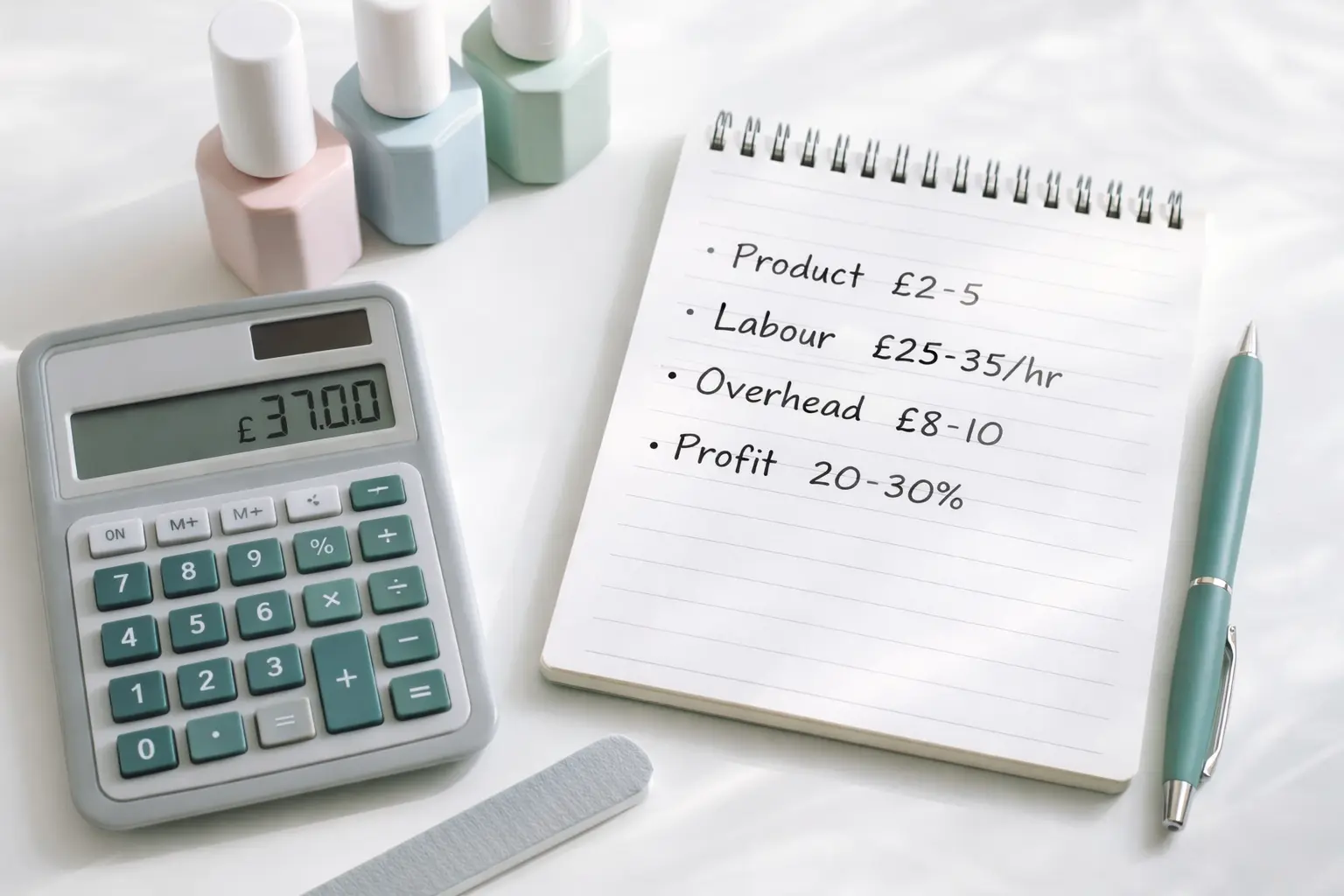
UK nail technicians should calculate minimum viable pricing by adding product cost (£3-£8 per service) + hourly rate (£20-£50 based on experience) + overhead allocation (30-40% of service price) + profit margin (20-30%). This typically results in £25-£40 for basic gel manicure, £35-£55 for BIAB, £40-£75 for Russian Manicure, with London commanding 20-40% premium over regional pricing.
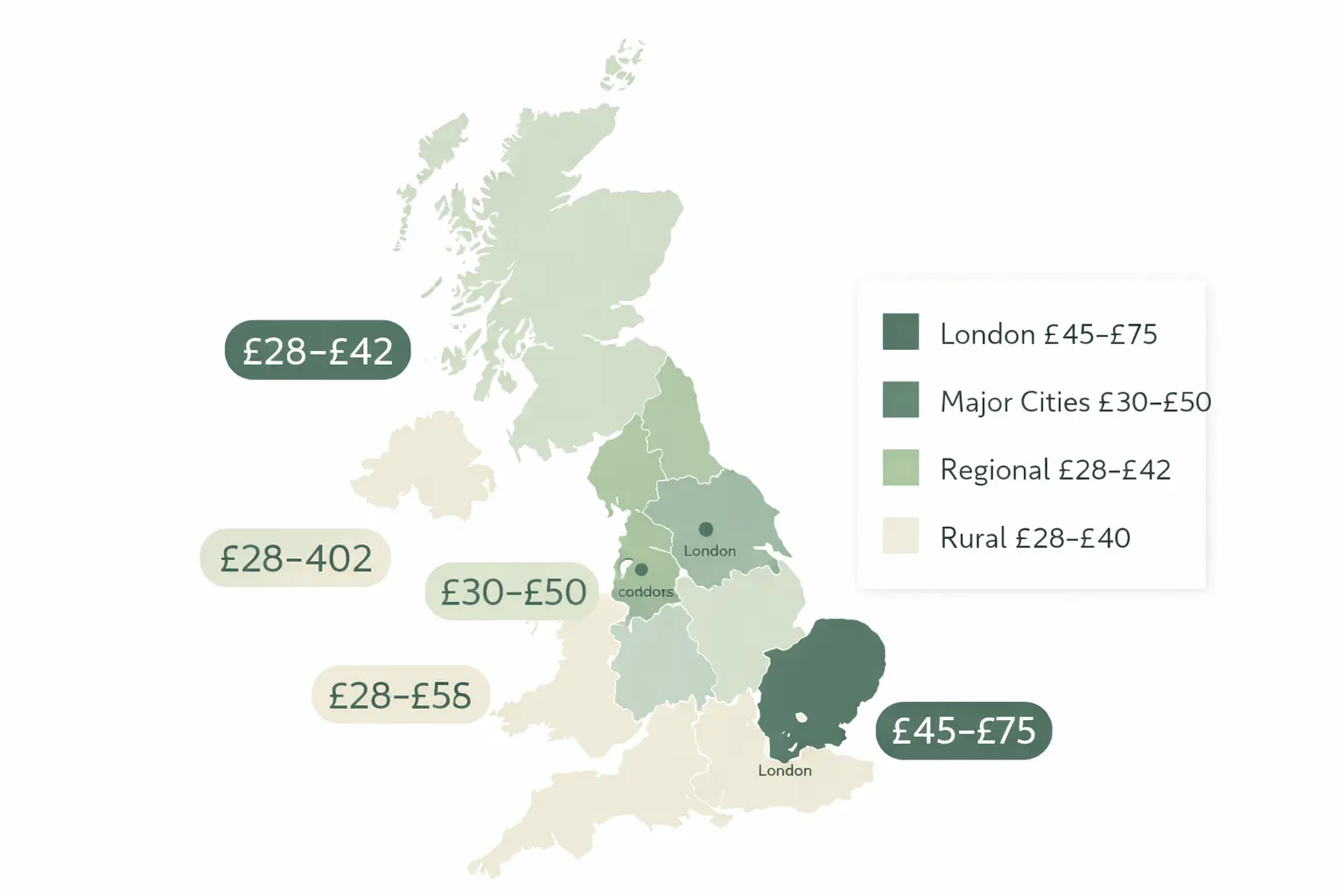
Regional variations: London technicians charge £45-£75 for gel manicure whilst Manchester, Birmingham, and Edinburgh average £30-£50. Rural and small town markets support £25-£40 pricing. Mobile technicians add £10-£15 travel supplement. Home-based businesses typically price 15-20% below salon rates for equivalent services.
Critical principle: Underpricing guarantees business failure regardless of skill level. Charging £20-£25 for services with £12-£15 true costs creates unsustainable business model generating poverty wages. Professional technicians with proper training, insurance, and safety protocols cannot compete on price with untrained home scratchers.
Why Most Nail Technicians Underprice Their Services
The most common business failure amongst UK nail technicians is not poor technique, inadequate marketing, or insufficient client demand. It is systematic underpricing that makes profit mathematically impossible.
New technicians frequently price services at £20-£25 for gel manicure or £30-£35 for BIAB, believing competitive pricing attracts clients. This logic fails catastrophically when true costs are calculated. A £25 gel manicure with £8 product cost, £12 hourly rate (1 hour service), and £7 overhead allocation generates zero profit before tax. The technician works for minimum wage whilst shouldering all business risk, liability, and stress.
Meanwhile, properly priced services at £35-£45 generate sustainable profit enabling business growth, professional development investment, quality product purchasing, and actual liveable income. Yet technicians fear charging these rates, convinced clients will reject higher prices.
The reality: clients seeking quality nail services expect to pay professional rates. Clients seeking £20 nails want cheap results from untrained providers using suspect products without insurance. These are not your target clients.
The True Cost Formula Every Technician Must Know
Before setting any service price, calculate your actual costs using this formula:
Service Price Formula
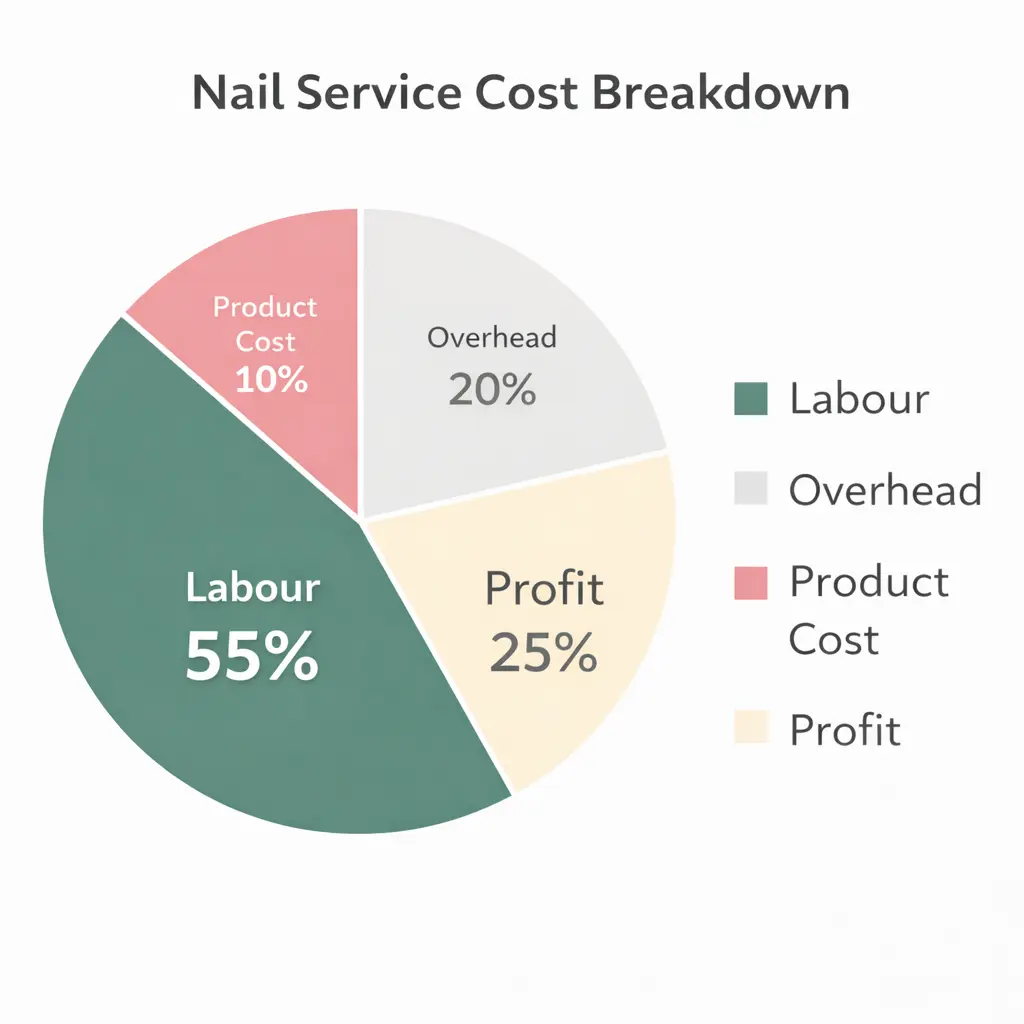
Minimum Service Price = (Product Cost) + (Time × Hourly Rate) + (Overhead Allocation) + (Profit Margin)
Where:
- Product Cost = All materials consumed (gel, primer, cleanser, cotton, files, etc.)
- Time = Actual service duration including consultation and cleanup
- Hourly Rate = Your labour value (£20-£50 based on experience/location)
- Overhead Allocation = Business expenses divided across services (30-40% of price)
- Profit Margin = Business profit enabling growth and sustainability (20-30%)
Breaking Down Each Cost Component
1. Product Cost (Direct Materials)
Calculate exact product consumption per service:
Important: Include all consumables: cotton pads, foils, alcohol, hand sanitiser, disposable files, orange sticks. These “small” costs accumulate to £1-£2 per service and must be factored into pricing.
2. Time Investment
Calculate realistic service duration including:
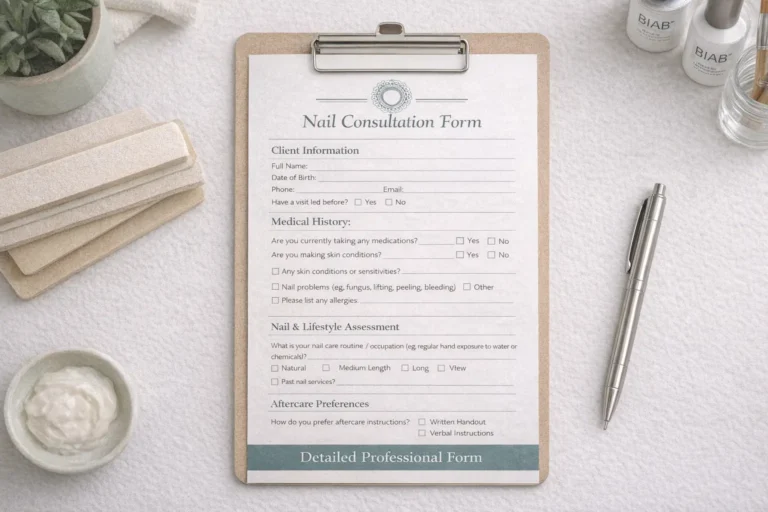
- New client consultation (5 minutes reviewing pre-completed digital form)
- Returning client check-in (included in service time)
- Preparation and sanitisation (5 minutes)
- Actual service delivery (hands-on work)
- Aftercare discussion (verbal whilst working, digital sent post-appointment)
- Cleanup and sterilisation (5 minutes)
- Documentation and photography (included in cleanup time)
Efficiency Note: Digital consultation forms completed before appointment and aftercare instructions sent electronically save 10-15 minutes per service. This time reduction improves profitability without compromising service quality.
3. Hourly Rate Determination
Your hourly rate reflects your skill level, experience, qualifications, and market position:
- Newly qualified (0-6 months): £20-£25/hour
- Competent technician (6-18 months): £25-£35/hour
- Experienced professional (2-5 years): £35-£45/hour
- Master technician (5+ years, specialist skills): £45-£65/hour
- London/premium market: Add 20-40% to all rates
4. Overhead Allocation
Calculate monthly business expenses and divide across expected services:
Typical Monthly Overhead Expenses
- Insurance: £30-£80/month (public liability, professional indemnity)
- Rent/space: £0-£800/month (home-based to salon suite)
- Marketing: £50-£300/month (social media ads, website, photography)
- Education: £50-£200/month (courses, training, skill development)
- Equipment replacement: £30-£100/month (lamps, e-files, furniture depreciation)
- Utilities: £20-£150/month (electricity, heating, water)
- Licences/permits: £10-£50/month (council registration, waste disposal)
- Software/subscriptions: £20-£80/month (booking system, accounting, cloud storage)
- Professional fees: £50-£150/month (accountant, legal, memberships)
Total Monthly Overhead: £260-£1,910 depending on business model
Overhead allocation calculation:
If monthly overhead = £500 and you perform 60 services monthly, overhead per service = £8.33. This means each service must include £8-£9 overhead allocation before you even begin calculating profit.
5. Profit Margin
Profit margin is not negotiable—it is the reason your business exists. Aim for 20-30% profit margin after all costs.
This profit funds:
- Business growth and expansion
- Emergency fund for slow periods
- Equipment upgrades and quality product investment
- Holiday pay and sick leave (self-employed)
- Retirement savings
- Tax obligations
Worked Pricing Examples
Example 1: Gel Polish Manicure Pricing
Service: Gel Polish Manicure
Technician: Competent with 12 months experience, home-based, regional UK city
Cost Breakdown:
- Product cost: £5
- Time: 75 minutes (1.25 hours)
- Hourly rate: £28/hour
- Labour cost: £28 × 1.25 = £35
- Overhead allocation: £8
- Subtotal: £5 + £35 + £8 = £48
- Profit margin (25%): £12
Minimum Service Price: £60
However, market rate research shows regional gel manicure averages £35-£45. This technician should price at £40-£45 whilst working to reduce service time through efficiency improvements.
Example 2: BIAB Application Pricing
Service: BIAB Application
Technician: Experienced professional, 3 years, home-based, efficient workflow
Cost Breakdown:
- Product cost: £7
- Time: 75 minutes (1.25 hours)
- Hourly rate: £38/hour
- Labour cost: £38 × 1.25 = £47.50
- Overhead allocation: £8
- Subtotal: £7 + £47.50 + £8 = £62.50
- Profit margin (25%): £15.63
Minimum Service Price: £78
Market research shows BIAB services range £40-£60 regionally. This technician has strong justification for £50-£55 pricing with excellent service quality, efficiency, and experience level.
Example 3: Russian Manicure + Gel (Premium Service)
Service: Russian Manicure + Gel Polish
Technician: Master technician, 6+ years, specialist Russian Manicure training, Edinburgh city centre
Cost Breakdown:
- Product cost: £9
- Time: 120 minutes (2 hours)
- Hourly rate: £50/hour
- Labour cost: £50 × 2 = £100
- Overhead allocation: £12
- Subtotal: £9 + £100 + £12 = £121
- Profit margin (25%): £30.25
Minimum Service Price: £151
Market research shows Russian Manicure pricing £55-£95 regionally, £70-£120 in major cities. This technician should confidently charge £75-£85 with clear value communication about specialist training, extended wear time, and premium service experience.
2025 UK Regional Pricing Benchmarks
Note: These are market averages from 2026 research reflecting current inflation trends. Premium salons and master technicians command 20-50% above these ranges whilst budget providers price 15-25% below. Your pricing should reflect your unique skill level, service quality, and market positioning.
7 Fatal Pricing Mistakes That Destroy Nail Businesses
❌ Mistake #1: Competing on Price
Racing to the bottom by undercutting competitors creates business death spiral. Clients attracted by lowest price are disloyal, demanding, and price-shop constantly. You cannot build sustainable business serving only price-sensitive clients.
Solution: Compete on value, quality, service experience, expertise, and results. Premium clients willingly pay professional rates for professional outcomes.
❌ Mistake #2: Forgetting to Include Your Labour
Pricing based solely on product cost plus small markup ignores that your time has monetary value. Working 40 hours weekly for £15,000 annual income means you earn less than minimum wage whilst shouldering all business risk.
Solution: Calculate realistic hourly rate reflecting your skill level and experience. Include full labour cost in every service price.
❌ Mistake #3: Ignoring Overhead Costs
Insurance, marketing, equipment maintenance, education, utilities, and countless other expenses accumulate to hundreds of pounds monthly. These costs do not disappear if ignored in pricing calculations.
Solution: Calculate total monthly overhead and divide across expected service volume. Include overhead allocation in every service price.
❌ Mistake #4: Offering Excessive Discounts
50% off promotions, constant discount codes, and perpetual “new client specials” train clients to never pay full price. Discount-dependent businesses operate in permanent financial stress.
Solution: Offer introductory discount once per client maximum (10-15% off first service). Build loyalty through exceptional service quality, not price manipulation.
❌ Mistake #5: Underpricing as New Technician
New technicians often believe they must charge bargain prices until “proven”. This logic backfires: low prices attract difficult clients, unsustainable workload, and burnout whilst making profit impossible.
Solution: Price at lower end of market range initially (not bottom) and raise prices incrementally with experience. Even newly qualified technicians deserve living wage.
❌ Mistake #6: Never Raising Prices
Product costs, rent, insurance premiums, and living expenses increase yearly. Technicians who maintain identical pricing year after year experience effective pay cut annually through inflation erosion.
Solution: Review and adjust pricing annually at minimum. Increase prices 3-5% yearly to maintain purchasing power. Loyal clients understand cost increases are normal business practice.
❌ Mistake #7: Pricing Without Profit Margin
Calculating exact costs and pricing at cost recovery creates zero-profit business. Without profit margin, business cannot grow, weather slow periods, or fund owner income beyond immediate labour value.
Solution: Include 20-30% profit margin in all service pricing. Profit is not optional—it is fundamental business requirement.
Value-Based Pricing: Charging What You Are Worth
Cost-plus pricing establishes minimum viable price. Value-based pricing enables premium pricing by emphasising transformation and benefits rather than time and materials.
Communicating Value Instead of Cost
Premium technicians communicate value through:
- Extended longevity: “4-6 week wear time means fewer appointments and lower overall annual nail spend”
- Safety and health: “Professional sterilisation protocols, patch testing, and proper contraindication assessment protect your health”
- Specialist training: “Advanced certification in Russian Manicure technique ensures safe, professional results”
- Premium products: “HEMA-free gel systems reduce allergic reaction risk whilst providing superior retention”
- Time saved: “Fewer appointments annually means more time for work, family, and leisure”
- Confidence: “Professional results that photograph beautifully and maintain appearance throughout wear cycle”
Value Communication Example
Cost-focused: “Russian Manicure costs £65 and takes 2 hours.”
Value-focused: “Russian Manicure provides 4-6 week flawless wear with professional e-file preparation technique I studied intensively for 100+ hours. This means you need nails done only 8-10 times yearly instead of 18-24 times, saving time and reducing annual nail care spend whilst maintaining impeccable presentation. Investment: £65.”
Package Pricing and Bundling Strategies
Strategic packaging increases average transaction value whilst providing client value:
Monthly Membership Model
Structure: Client pays fixed monthly fee for unlimited basic services or service credits.
Example: £120/month includes one gel manicure every 3 weeks plus 15% discount on additional services.
Benefit: Guaranteed recurring income, client retention, predictable schedule.
Service Bundles
Example Bundle 1: “The Complete Experience”
- Russian Manicure + Gel Polish
- Luxury hand massage
- Cuticle oil treatment
- Take-home aftercare kit
- Bundle price: £85 (saves £12 vs individual services)
Prepaid Packages
Structure: Client purchases multiple services upfront at slight discount.
Example: “BIAB Package: 4 services for £200 (regular price £45 each = £180 total savings)”
Benefit: Immediate cash injection, guaranteed bookings, client commitment.
Frequently Asked Questions About Nail Service Pricing
How much should I charge for gel nails as a beginner?
Newly qualified technicians should charge lower end of regional market range, typically £25-£35 for gel manicure depending on location. Calculate your actual costs (product + labour + overhead) to ensure minimum £8-£12 profit per service. Never price below cost recovery hoping volume compensates—this creates unsustainable business model.
Should I offer discounts to attract new clients?
Offer introductory discount maximum once per client (10-15% off first service). Avoid perpetual discounts, constant promotions, or 50% off sales that train clients to never pay full price. Build client base through exceptional service quality, professional results, and word-of-mouth referrals rather than price manipulation. Discount-dependent businesses operate in permanent financial stress.
How often should I raise my prices?
Review and adjust pricing annually at minimum to account for inflation, increased costs, and skill development. Implement 3-5% price increase yearly to maintain purchasing power. Additionally, raise prices as you gain experience, qualifications, and specialist skills. Communicate price increases to existing clients with 4-6 weeks notice emphasising continued value and quality commitment.
What if clients complain my prices are too high?
Price complaints typically indicate mismatch between client expectations and your market positioning. Communicate value clearly: specialist training, premium products, extended wear time, safety protocols, professional insurance. Clients seeking budget nails are not your target market—professional services command professional rates. Confident value communication converts quality-focused clients whilst filtering price-shoppers naturally.
Should mobile technicians charge more than salon-based?
Yes, mobile services should include travel supplement covering fuel, vehicle wear, travel time, and convenience premium. Add £10-£15 to standard service prices plus mileage charge beyond 5-mile radius (45-60p per mile). Mobile work involves additional overhead (vehicle insurance, maintenance, portable equipment) justifying premium pricing for convenience service.
How do I calculate my hourly rate?
Start with desired annual income goal (example: £30,000). Divide by realistic billable hours annually (1,200-1,500 hours accounting for holidays, sick days, admin time). £30,000 ÷ 1,200 hours = £25/hour minimum. Add experience premium: newly qualified £20-£25/hour, 1-2 years £25-£35/hour, 3-5 years £35-£45/hour, master technician £45-£65/hour. London adds 20-40% premium to all rates.
Should I charge differently for different skill levels?
Yes, specialist skills and advanced qualifications justify premium pricing. Russian Manicure commands 30-50% premium over basic gel manicure due to extensive training requirement and extended results. BIAB pricing sits between gel polish and Russian Manicure. Nail art charges £3-£8 per nail depending on complexity. Never undervalue specialist skills acquired through significant time and financial investment.
What is reasonable profit margin for nail services?
Aim for 20-30% net profit margin after all costs (products, labour, overhead). This profit funds business growth, emergency reserves, tax obligations, equipment upgrades, and retirement savings. Profit margin below 15% creates unsustainable business unable to weather slow periods or invest in quality improvements. Profit is not optional—it is fundamental business requirement ensuring long-term viability.
About the Author: Radina Ignatova
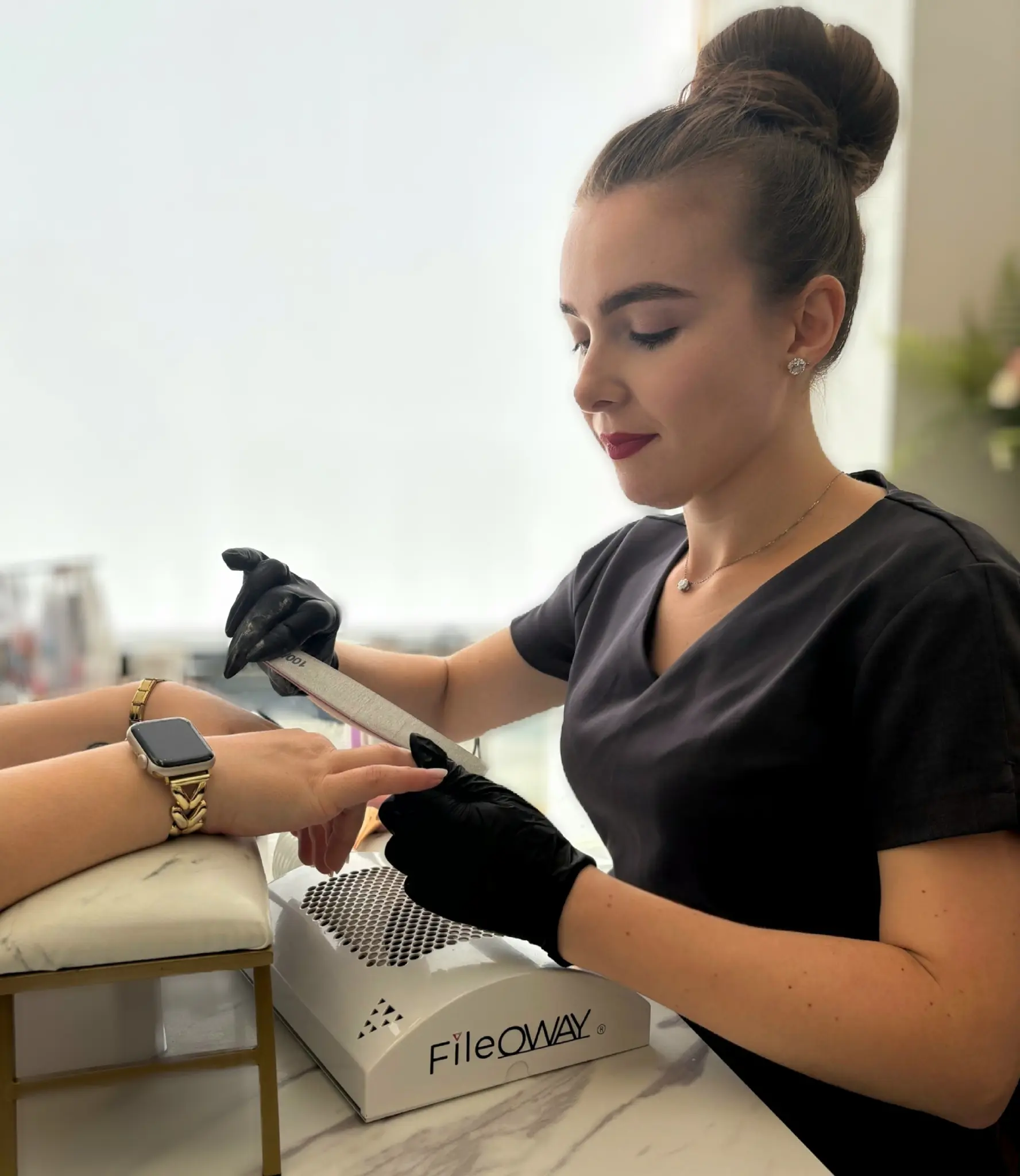
Radina Ignatova is a Professional Nail Expert, Business Educator, and founder of Artistic Touch Nail Training Academy in Dundee, Scotland.
With over a decade of experience building sustainable nail business from initial startup through established professional practice, Radina specialises in teaching both technical skills and essential business fundamentals including pricing strategy, cost management, and profit optimisation.
Her training programmes integrate realistic business planning with technical education, ensuring students build viable businesses rather than unsustainable hobbies masquerading as professional services.
Build a Profitable, Sustainable Nail Business
Learn professional nail techniques alongside essential business skills including pricing strategy, client consultation, and business sustainability.
About The Nail Wiki: Independent educational resource providing evidence-based nail business and technical information. Content authored by experienced nail professionals emphasising sustainable business practices and professional standards.