
Complete Guide to BIAB Application Safety
Author: Radina Ignatova, Professional Nail Expert | Last Updated: January 2026 | Read Time: 18 minutes
Table of Contents
Summary
BIAB (Builder in a Bottle) is a soak-off gel system that provides structural support to natural nails whilst maintaining flexibility. When applied following proper safety protocols, BIAB is generally considered safe for professional use. However, practitioners must understand chemical composition, potential allergic reactions, contraindications, and UK regulatory requirements to ensure client safety.
Key Safety Considerations: Proper application technique, avoiding skin contact with uncured product, appropriate UV/LED lamp usage, thorough patch testing for sensitive clients, and maintaining professional insurance and training standards.
Professional Training: Comprehensive BIAB training covering safety protocols, contraindications, and proper technique is essential for all practitioners.
Medical Disclaimer: This guide provides educational information only and does not constitute medical advice. Individuals with existing nail or skin conditions should consult healthcare professionals before receiving BIAB services. Practitioners should maintain appropriate professional indemnity insurance and follow UK Health and Safety regulations.
1. What is BIAB?
Builder in a Bottle (BIAB) is a professional gel nail system designed to provide structural reinforcement to natural nails whilst remaining flexible enough to move with the nail plate. Unlike traditional hard gels, BIAB is soak-off, meaning it can be removed with acetone without filing, making it less damaging to the natural nail.
BIAB was developed to address the needs of clients with weak, brittle, or damaged nails who require strength and protection without the commitment or potential damage associated with traditional enhancements.
How BIAB Works
BIAB provides external structural support through a thicker application than standard gel polish, creating an apex (highest point) that distributes stress across the nail plate. This external reinforcement reduces breakage and allows natural nails to grow underneath whilst protected.
Important Distinction
BIAB does not biologically strengthen the natural nail itself. The nail plate structure remains unchanged. BIAB provides temporary external support that must be maintained through regular appointments every 2-4 weeks.
2. Chemical Composition and Safety Profile
Understanding the chemical composition of BIAB products is essential for safe application and recognising potential hazards.
Primary Components
BIAB formulations typically contain the following chemical families:
- Acrylates and Methacrylates: The primary building blocks that polymerise (harden) under UV/LED light to form the gel structure
- Photo-initiators: Chemicals that activate polymerisation when exposed to specific light wavelengths
- Oligomers: Larger molecules that provide flexibility and adhesion properties
- Pigments and Additives: Colourants and performance enhancers
- Solvents: Liquid carriers that evaporate during or after curing
Cured vs Uncured Product
Critical Safety Point: Uncured BIAB product is the most hazardous state. Repeated skin exposure to uncured acrylates can lead to allergic contact dermatitis, a potentially permanent sensitisation that can end a nail technician’s career.
3. Potential Risks and Hazards
Whilst BIAB is generally considered safe when applied correctly, practitioners must understand potential risks to both clients and themselves.
3.1 Allergic Contact Dermatitis
Allergic contact dermatitis (ACD) is the most significant risk associated with BIAB and all gel nail products. This is a delayed hypersensitivity reaction (Type IV) that develops after repeated exposure to uncured acrylates.
Clinical Presentation
Early signs include:
- Redness and swelling around nail folds
- Itching or burning sensation
- Blistering or weeping skin
- Dry, cracked skin on fingertips
- Symptoms appearing 24-72 hours after exposure
Critical Fact: Once sensitised to acrylates, the allergy is typically permanent. Sensitised individuals must avoid all acrylate-containing products indefinitely, including dental composites, adhesives, and other nail products.
3.2 Nail Plate Damage
Improper BIAB application or removal can cause significant nail damage:
- Over-filing: Aggressive preparation removes too many layers of the nail plate, causing thinning, weakness, and increased permeability
- Forced Removal: Picking, peeling, or forcing off BIAB removes layers of the natural nail, causing severe damage
- Insufficient Curing: Under-cured product remains partially liquid, creating heat, discomfort, and incomplete polymerisation
- Moisture Trapping: Applying BIAB over wet or incompletely prepared nails traps moisture, potentially leading to bacterial or fungal growth
3.3 Chemical Burns
Chemical burns from BIAB are rare but can occur in specific circumstances:
⚠️ Burn Risk Factors
- Applying product too thickly (increases exothermic reaction heat)
- Curing product on damaged or extremely thin nail plates
- Product flooding onto skin during application
- Using incorrect lamp wattage or cure times
- Applying over uncured base layers
3.4 UV Exposure
UV and LED lamps emit specific wavelengths to cure gel products. Whilst the exposure time is brief, cumulative exposure raises concerns:
- Skin Ageing: UVA light penetrates deeper skin layers, potentially contributing to premature ageing
- Hyperpigmentation: Increased melanin production can cause dark spots, particularly in darker skin tones
- Theoretical Cancer Risk: Whilst no definitive link has been established, UV exposure carries theoretical skin cancer risk
Mitigation strategies include broad-spectrum SPF application 20 minutes before curing, UV-protective gloves with fingertips removed, or exclusive use of LED lamps (which emit less harmful wavelengths than UV).
3.5 Infection Risk
Whilst BIAB itself does not cause infections, improper application or nail preparation can create conditions that promote bacterial or fungal growth:
- Pseudomonas (Greenies): Bacterial infection appearing as green discolouration, typically occurring when product lifts and moisture becomes trapped
- Onychomycosis: Fungal nail infection that may be concealed or worsened by enhancement products
- Paronychia: Infection of skin surrounding the nail, potentially caused by product contact or aggressive cuticle work
4. Contraindications
Contraindications are conditions or circumstances where BIAB application should be refused or approached with extreme caution. These are divided into absolute contraindications (never proceed) and relative contraindications (proceed with caution if appropriate).
Absolute Contraindications
BIAB services must be refused in the following circumstances:
Relative Contraindications
These conditions require additional assessment, client disclosure, and modified protocols:
- Pregnancy: No definitive safety data exists. Many practitioners refuse service in first trimester. Informed consent and well-ventilated workspace essential if proceeding.
- Diabetes: Compromised circulation and healing. Requires extra care to avoid injury. Client should have medical clearance.
- Autoimmune Conditions: Increased sensitivity and reaction risk. Client should consult physician before service.
- Eczema or Dermatitis: Pre-existing skin conditions may worsen. Patch testing strongly recommended.
- Blood Thinning Medications: Increased bleeding risk if cuticles are accidentally cut. Extreme caution required.
- Recent Gel Removal: If previous product caused reaction, waiting period recommended before trying different brand.
- Very Thin or Flexible Nails: May not provide adequate structure for product. Higher failure risk.
5. Safe Application Protocol
Following a systematic safety protocol minimises risk to both client and practitioner. This section outlines professional standards for safe BIAB application.
Pre-Service Assessment
Essential Pre-Service Steps
- Complete detailed consultation form documenting medical history, previous reactions, and current medications
- Visual inspection of nails and surrounding skin for contraindications
- Discuss realistic expectations, maintenance requirements, and costs
- Explain removal process and importance of professional removal
- Obtain written consent after full disclosure of risks
- Perform patch test if client has sensitive skin or history of allergies (see Section 8)
Step-by-Step Safety Protocol
Step 1: Preparation
- Sanitise hands (practitioner and client) thoroughly
- Apply cuticle oil generously to skin surrounding nail plate
- Gently push back cuticles without causing injury or bleeding
- Remove shine from nail plate using gentle buffing (180-240 grit) – do not over-file
- Remove dust with lint-free wipe and isopropyl alcohol
Step 2: Barrier Application
- Apply cuticle oil or liquid latex barrier to skin around nail
- This prevents uncured product from touching skin
- Critical safety step – never skip barrier application
Step 3: Product Application
- Apply thin layer of base coat, ensuring no skin contact
- Cure according to manufacturer specifications
- Apply BIAB in thin to medium layers, building apex
- Ensure product stays 1-2mm away from cuticle and sidewalls
- If product floods cuticle, remove immediately with clean brush and isopropyl alcohol
- Cure each layer fully before applying next
Step 4: Curing Safety
- Use correct wattage lamp for product system
- Follow manufacturer cure times exactly
- Ensure even light distribution across all nails
- Monitor for signs of discomfort (burning sensation)
- If burning occurs, remove hand from lamp immediately
Step 5: Finishing
- Remove inhibition layer with isopropyl alcohol and lint-free wipe
- File and shape if necessary using fine grit (180+)
- Apply top coat if using separate top coat system
- Cure final layer thoroughly
- Remove any barrier product used
Step 6: Post-Application
- Apply cuticle oil to nourish skin
- Provide aftercare instructions verbally and in writing
- Schedule maintenance appointment (2-4 weeks)
- Instruct client to contact immediately if adverse reactions occur
- Document service details in client record
6. UV/LED Lamp Safety
Proper lamp usage is essential for both product performance and client safety.
Lamp Selection and Maintenance
- Use Professional Equipment: Consumer-grade lamps may not provide consistent curing
- Match Product and Lamp: Use manufacturer-recommended lamp wattage and technology
- Regular Maintenance: Replace bulbs according to manufacturer schedule (typically 6-12 months)
- Clean Regularly: Product residue on reflective surfaces reduces effectiveness
- Monitor Performance: Test curing with product manufacturer guidelines
UV Protection Strategies
Protection Options
- Broad-Spectrum SPF 30+: Apply to hands 20 minutes before service
- UV-Protective Gloves: Fingerless gloves protecting hand skin whilst allowing nail exposure
- LED Lamp Preference: LED technology emits narrower, less harmful wavelength spectrum than UV
- Minimal Exposure: Use correct cure times – longer is not better
7. Safe Removal Procedures
Improper removal causes more nail damage than any other aspect of BIAB services. Clients must understand that professional removal is essential.
Professional Removal Protocol
- File Surface: Remove top coat shine using 180 grit file to allow acetone penetration
- Apply Acetone: Soak cotton pads in pure acetone (not nail polish remover)
- Wrap: Place acetone-soaked pad on nail and wrap with foil or use acetone-resistant clips
- Wait: Allow 10-15 minutes for product to dissolve (times vary by brand)
- Gentle Removal: Use orange wood stick or cuticle pusher to gently scrape softened product. Never force.
- Repeat if Necessary: If product does not slide off easily, rewrap and wait longer
- Buff and Hydrate: Lightly buff residue, wash hands, apply cuticle oil and hand cream
⚠️ Never Pick or Peel BIAB: Forcing product removal strips layers of the natural nail plate, causing severe thinning, sensitivity, and long-term damage. This is the most common cause of nail damage in gel clients.
Acetone Safety
Whilst acetone is necessary for BIAB removal, it requires safe handling:
- Ventilation: Work in well-ventilated area. Acetone vapours can cause headaches and dizziness
- Skin Protection: Acetone is extremely drying. Limit skin exposure time
- Flammability: Acetone is highly flammable. Keep away from open flames and heat sources
- Storage: Store in clearly labelled, sealed containers away from heat
- Disposal: Follow local regulations for chemical waste disposal
8. Patch Testing Protocols
Patch testing identifies potential allergic reactions before full service application, protecting both client and practitioner from adverse outcomes.
When to Patch Test
Patch Testing Recommended For:
- First-time BIAB clients
- Clients with history of skin sensitivity or allergies
- Clients with eczema, dermatitis, or other skin conditions
- Clients who previously reacted to different gel brand
- Clients with compromised immune systems
- Any client requesting patch test
Patch Test Procedure
- Scheduling: Perform patch test 24-48 hours before planned service appointment
- Application Site: Inner forearm or behind ear (easily monitored, sensitive skin area)
- Product Application: Apply small amount of base coat, BIAB product, and top coat in same manner as service
- Curing: Cure properly using same lamp as service
- Documentation: Photograph application site and record in client file
- Monitoring: Instruct client to monitor for redness, itching, swelling, or discomfort
- Follow-up: Contact client after 24-48 hours to assess reaction before proceeding
Interpreting Patch Test Results
9. UK Professional Standards and Regulations
UK nail technicians providing BIAB services must comply with multiple regulatory frameworks covering health and safety, chemical handling, and professional standards.
Key UK Legislation
Health and Safety at Work Act 1974
Employers and self-employed individuals must ensure health and safety of themselves, employees, and clients. This includes proper ventilation, safe chemical storage, and risk assessment procedures.
COSHH Regulations 2002
Control of Substances Hazardous to Health (COSHH) requires assessment and control of hazardous substances, including BIAB products and acetone.
Requirements include:
- COSHH risk assessments for all products
- Safety Data Sheets (SDS) accessible for all products
- Appropriate storage and ventilation
- PPE (Personal Protective Equipment) where necessary
- Staff training on chemical handling
Consumer Protection Act 1987
Practitioners are liable for services provided. Maintaining detailed client records, obtaining informed consent, and following professional standards protect both client and practitioner from legal claims.
Professional Insurance Requirements
All UK nail technicians providing BIAB services must maintain appropriate insurance coverage:
- Public Liability Insurance: Minimum £1 million coverage (£5-6 million recommended)
- Professional Indemnity Insurance: Covers claims of professional negligence
- Treatment/Product Coverage: Ensure policy specifically covers gel and enhancement services
- Mobile Practitioners: Require appropriate coverage for off-site work
Training and Qualification Standards
Whilst UK law does not mandate specific qualifications for nail technicians, professional standards and insurance requirements effectively require proper training:
Recommended Training
- Foundation Nail Technology: NVQ Level 2 or equivalent covering nail anatomy, health and safety, and basic techniques
- Gel Systems Training: Product-specific training from BIAB manufacturer or accredited trainer
- Health and Safety: COSHH awareness and infection control training
- First Aid: Basic first aid certification recommended
- Continuing Professional Development: Regular updates on techniques, products, and safety protocols
10. References and Further Reading
Regulatory and Professional Bodies
- Health and Safety Executive (HSE) – COSHH guidance: www.hse.gov.uk/coshh/
- British Association of Beauty Therapy & Cosmetology (BABTAC)
- Federation of Holistic Therapists (FHT)
- Habia (Hair and Beauty Industry Authority) – National Occupational Standards
- Professional Beauty Association UK
Clinical and Research References
- British Association of Dermatologists – Contact dermatitis guidance
- British Journal of Dermatology – Acrylate allergy studies
- Contact Dermatitis Journal – Occupational sensitisation research
- Occupational Medicine – Nail technician health studies
Professional Training Resources
- Artistic Touch – Nail Training Academy: Comprehensive BIAB Masterclass covering safety protocols and professional techniques
- The GelBottle Inc (BIAB manufacturer) – Official training programmes
- City & Guilds – Nail technology qualifications
- VTCT (Vocational Training Charitable Trust) – Beauty therapy qualifications
About the Author
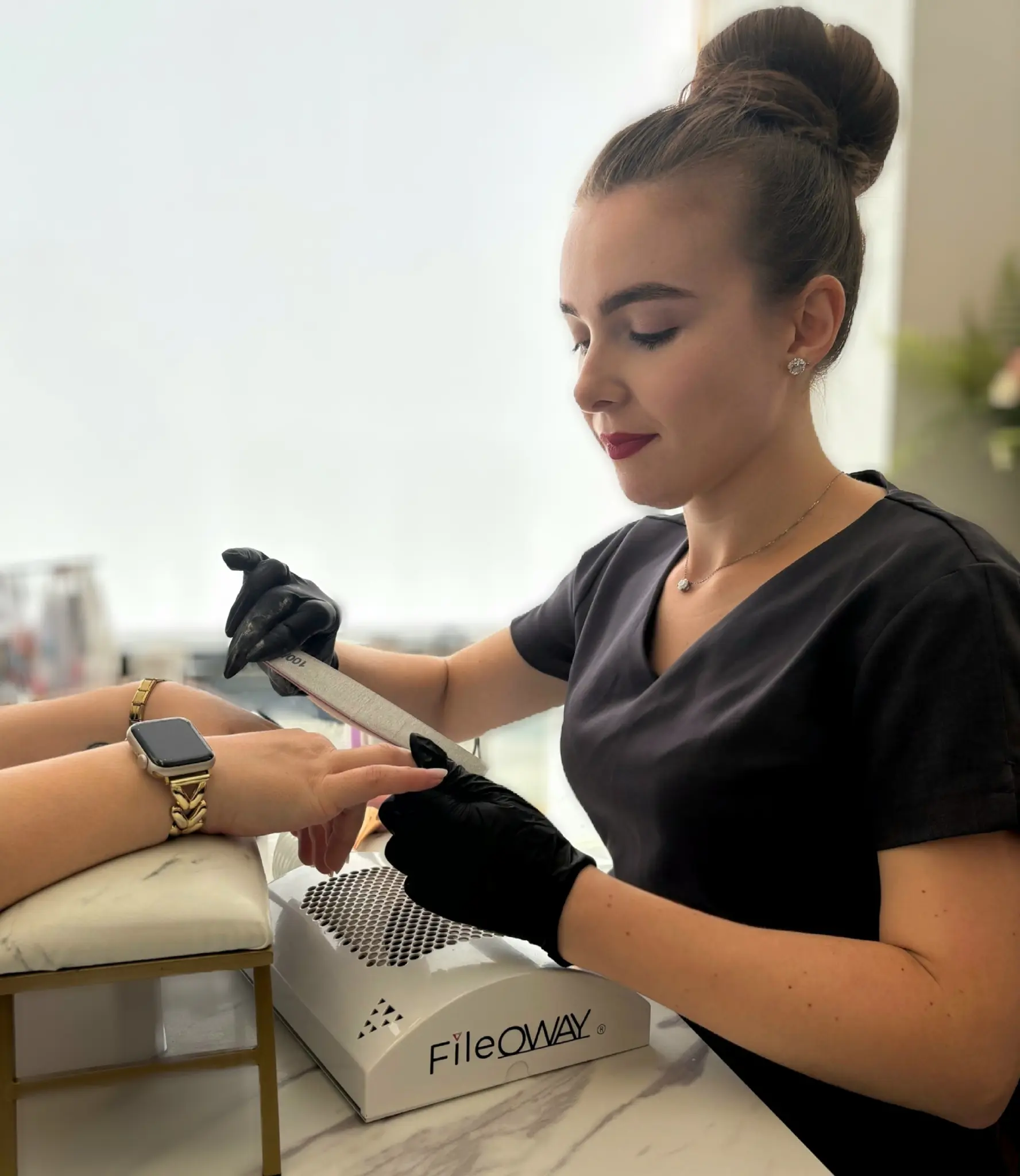
Radina Ignatova
Professional Nail Expert with over a decade of experience in advanced nail techniques, safety protocols, and professional education. Founder of Artistic Touch – Nail Training Academy and TheNailWiki educational platform.
Specializations: BIAB systems, Russian Manicure, nail anatomy and health, professional safety standards, and evidence-based nail education.
Learn more at Artistic Touch – Nail Training Academy
Ready to Master BIAB Application?
Learn professional BIAB techniques, safety protocols, and troubleshooting strategies through comprehensive online training from experienced nail educators.
This educational resource is provided by TheNailWiki, an independent platform dedicated to evidence-based nail education. Content reviewed January 2026. Information is for educational purposes only and does not constitute medical or professional advice.