
Russian Manicure vs Traditional Wet Manicure: Complete Safety Comparison Guide
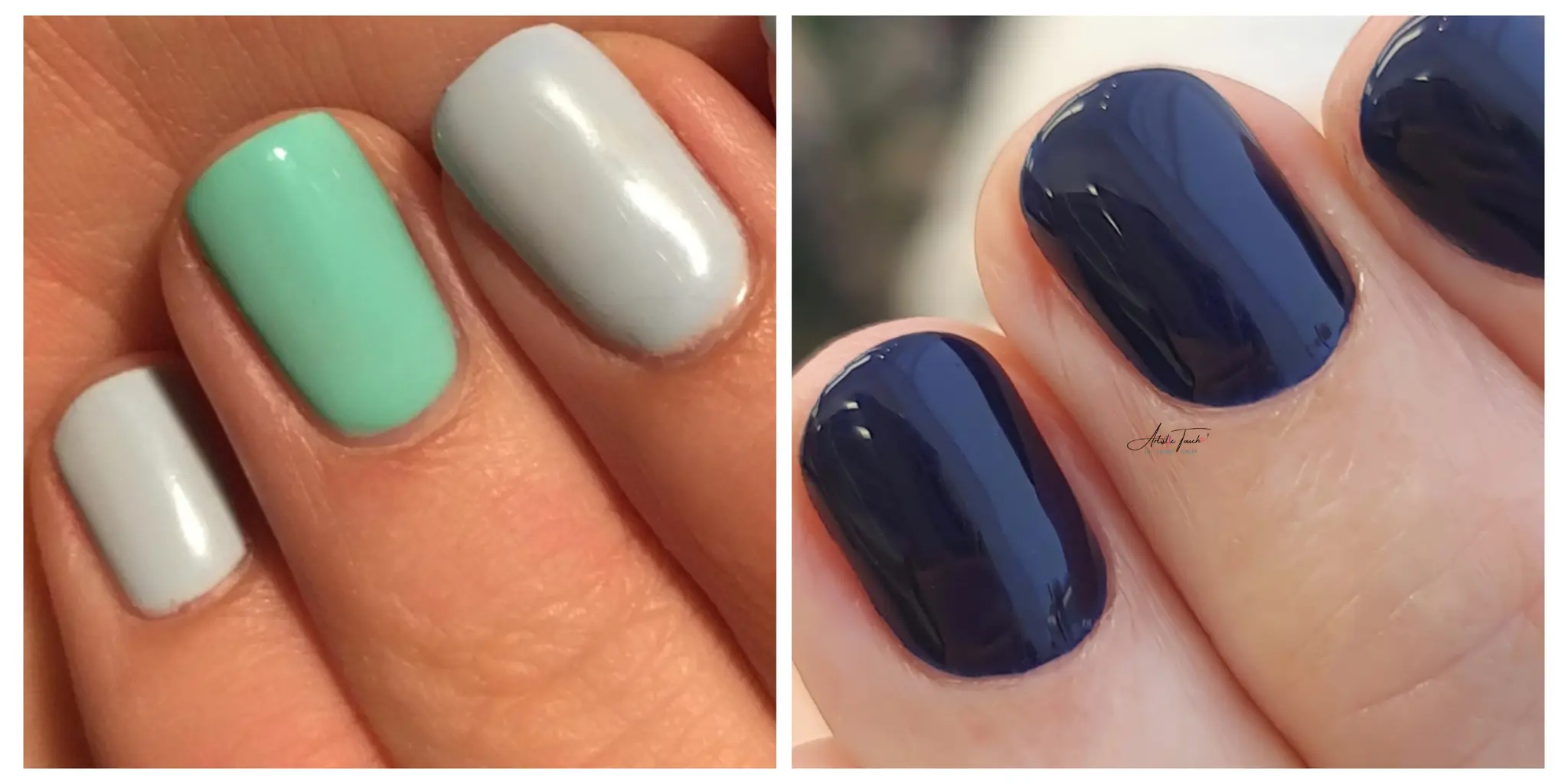
Quick Answer: Russian Manicure vs Traditional Wet Manicure
Russian Manicure is a dry e-file technique that removes cuticle, pushes back eponychium, and prepares the nail surface without water soaking, designed specifically for maximum gel adhesion and 4-6 week wear time. Traditional wet manicure involves water soaking to soften cuticles, manual tool removal, and gentler preparation suitable for regular polish or short-term gel applications with 2-3 week wear time.
Key differences: Russian Manicure uses aggressive dry e-file technique requiring extensive training whilst traditional wet manicure relies on water soaking and manual tools requiring basic training. Russian Manicure provides superior gel retention but carries higher injury risk. Traditional manicure is safer with lower infection risk from proper sanitation but offers shorter gel longevity.
Safety consideration: Russian Manicure carries significantly higher risk of bleeding, tissue damage, and infection due to invasive dry technique on living tissue. Traditional wet manicure has lower injury risk but carries water contamination concerns if bowls are not properly sanitised between clients.
Understanding Russian Manicure vs Traditional Wet Manicure
The rise of Russian Manicure has revolutionised professional nail preparation, challenging decades of traditional water-based manicure protocols. This dry e-file technique promises extended gel wear time and immaculate cuticle appearance but introduces safety concerns that traditional wet manicures do not present.
Russian Manicure originated in Eastern Europe and gained global popularity through social media showcasing 4-6 week gel retention and perfectly clean cuticle work. The technique eliminates water soaking entirely, instead using e-file bits to aggressively remove all cuticle tissue and prepare the nail plate whilst dry. This creates controversy among nail professionals regarding tissue damage risks versus longevity benefits.
Traditional wet manicure—the industry standard for decades—involves soaking hands in warm water to soften cuticles before gentle manual removal with nippers and pushers. This method prioritises client comfort and safety over maximum gel retention, typically providing 2-3 week wear time with significantly lower injury risk.
Understanding the fundamental differences in technique, safety protocols, training requirements, and appropriate applications enables informed professional choices and proper client consultation.
Defining Each Technique
What Is Russian Manicure?
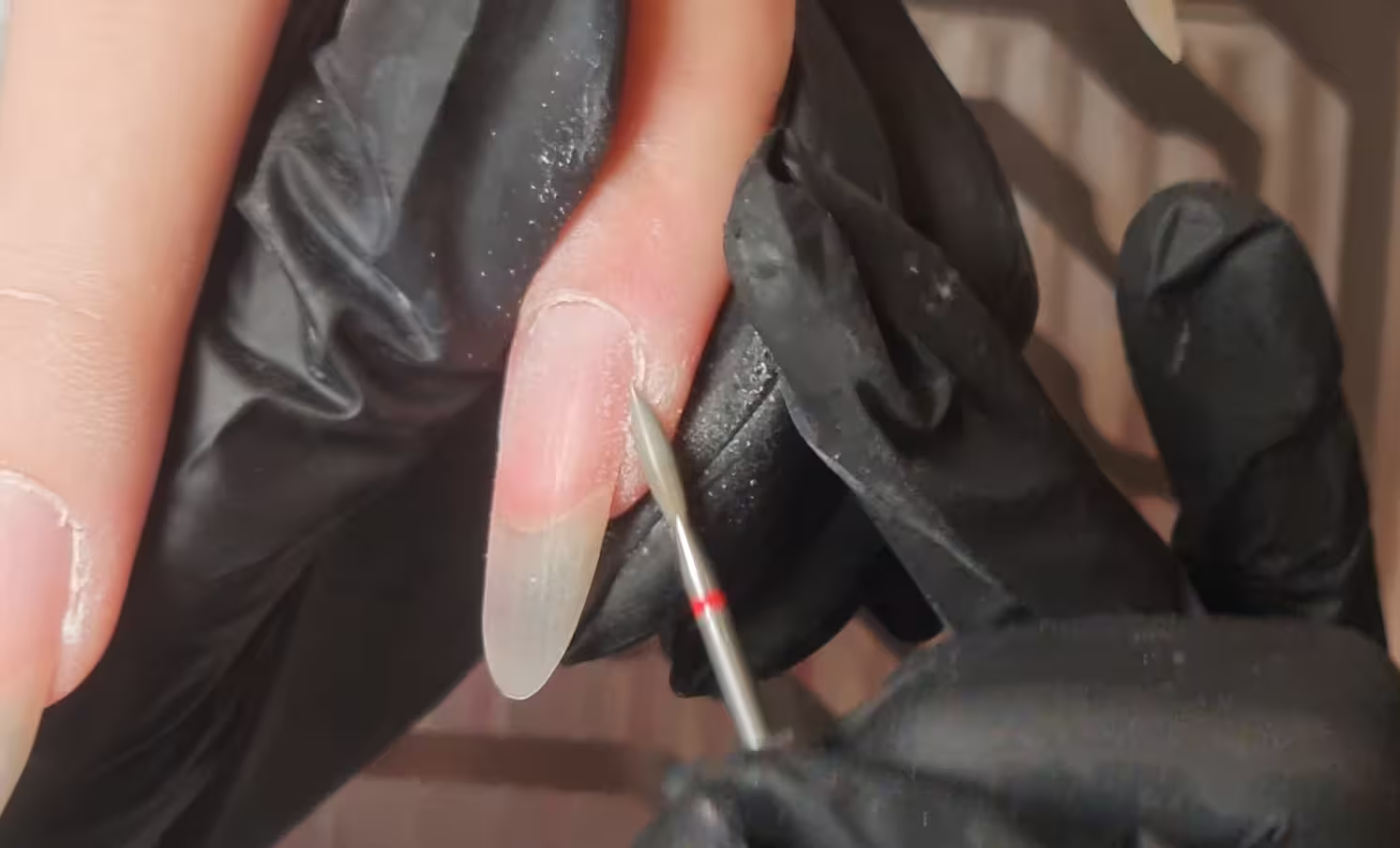
Russian Manicure is a dry e-file technique characterised by:
- No water contact: Performed completely dry for precision and maximum gel adhesion
- Complete cuticle removal: All dead cuticle tissue removed from nail plate using e-file
- Eponychium manipulation: Living skin at nail base pushed back and sometimes partially removed
- Precise bit selection: Diamond, ceramic, and carbide bits in specific grits and shapes for different stages
- Multiple preparation passes: Several stages of refinement to achieve smooth, clean results
- Gel-focused preparation: Designed specifically for gel polish or BIAB application requiring extended wear
The technique aims to create maximum gel adhesion by exposing fresh nail plate and creating perfectly clean margins without any cuticle barrier. When performed correctly by highly trained technicians, Russian Manicure can extend gel wear time to 4-6 weeks compared to 2-3 weeks with traditional preparation.
What Is Traditional Wet Manicure?
Traditional wet manicure (also called spa manicure or classic manicure) involves:
- Water soaking: Hands soaked in warm water for 5-10 minutes to soften cuticles
- Manual cuticle removal: Cuticle pusher and nippers used to remove softened dead tissue
- Gentle technique: Conservative approach preserving natural tissue barriers
- Minimal eponychium work: Living skin gently pushed back without removal
- Manual buffing: Nail surface lightly buffed with file or buffer block
- Optional massage: Often includes hand and arm massage with lotion
- Versatile finish: Can be used for regular polish, gel polish, or natural nails
Traditional wet manicure prioritises client comfort, relaxation, and safety over maximum product longevity. This method has been the industry standard for decades due to its low risk profile and accessibility to technicians at all skill levels.
Complete Technique Comparison
Safety Considerations for Russian Manicure
Potential Risks
Russian Manicure carries significant risks when performed by inadequately trained technicians:
- Eponychium damage: Removing or excessive thinning of living tissue creates infection pathways
- Nail matrix injury: Aggressive work near the matrix can cause permanent nail growth damage
- Excessive heat generation: High-speed e-file work creates friction burns on nail and skin
- Nail plate thinning: Over-filing weakens natural nail structure
- Bleeding and open wounds: Invasive technique frequently causes minor bleeding
- Infection risk: Compromised tissue barrier increases bacterial and fungal infection susceptibility
- Allergic reaction risk: Extended gel wear time increases sensitisation potential
⚠️ Critical Safety Warning
Russian Manicure is an advanced specialist technique that should never be attempted without comprehensive professional training. Self-teaching through online videos creates high risk of serious client injury and professional liability. Minimum 50 hours of supervised hands-on practice is recommended before performing this technique on paying clients.
Essential Safety Protocols
Nail technicians performing Russian Manicure must implement rigorous safety measures:
Pre-Service Requirements
- Comprehensive consultation: Written form documenting health conditions, medications, skin sensitivity
- Contraindication screening: Identify clients unsuitable for aggressive technique
- Patch testing: Test gel products 48 hours before service for allergy detection
- Informed consent: Documented client understanding of risks and aftercare requirements
- Photography: Before photos documenting pre-existing nail and skin conditions
During Service Protocols
- Sterilised equipment: Properly sterilised e-file bits, never reusing disposables
- Appropriate speed settings: Low RPM for cuticle work (3,000-5,000 RPM maximum)
- Light pressure: Bit weight only, no pressing or forcing
- Continuous motion: Never dwelling in one spot to prevent heat buildup
- Client communication: Regular comfort checks and immediate response to pain
- Bleeding protocol: Immediate service stop, antiseptic application, proper documentation
Client Contraindications
Russian Manicure is contraindicated for clients with:
- Diabetes or circulatory disorders
- Immunosuppression or autoimmune conditions
- Blood-thinning medications (warfarin, aspirin, anticoagulants)
- Steroid use (topical or oral)
- Chemotherapy or radiation therapy
- Thin or fragile skin
- Active infections or inflammation around nails
- History of keloid scarring
- Pregnancy (increased bleeding risk and sensitivity)
- Previous allergic reaction to gel products
Safety Considerations for Dry Manicure
Advantages
Dry Manicure offers several safety benefits over both water-based and Russian techniques:
- Hygiene: No soaking bowls eliminates bacterial cross-contamination risk
- Precision: Dry cuticle is easier to see and work with accurately
- Conservation: Less aggressive approach preserves natural tissue barriers
- Flexibility: Technician controls intensity based on client needs
- Lower risk profile: Less invasive technique reduces injury potential
Potential Risks
Despite being less aggressive, Dry Manicure still carries risks:
- E-file injury: When e-file is used, improper technique causes cuts and burns
- Chemical irritation: Cuticle removers can cause allergic reactions or burns if misused
- Cross-contamination: Improperly sterilised tools spread infection
- Over-removal: Excessive cuticle removal compromises natural protection
Safe Practice Guidelines
- Use cuticle remover according to manufacturer instructions (time limits, pH considerations)
- Sterilise all metal tools in autoclave or appropriate medical-grade steriliser
- Replace e-file bits showing wear or damage
- Maintain proper e-file technique with light pressure and continuous motion
- Conduct basic client consultation to identify contraindications
- Stop service immediately if bleeding or injury occurs
Professional Training Requirements
Russian Manicure Training Pathway
Competent Russian Manicure performance requires structured progression:
Stage 1: E-File Fundamentals (20-30 hours)
- E-file mechanics and safety
- Bit types, materials, and grit selection
- Hand positioning and pressure control
- Speed and direction management
- Heat prevention techniques
- Basic nail surface preparation
Stage 2: Cuticle Work Technique (30-40 hours)
- Nail anatomy and physiology
- Identifying dead tissue vs living skin
- Bit angle and pressure for cuticle removal
- Eponychium manipulation safety
- Sidewall refinement techniques
- Bleeding prevention and management
Stage 3: Advanced Russian Technique (40-50 hours)
- Multi-stage preparation protocols
- Problem nail solutions
- Speed development whilst maintaining safety
- Client consultation and contraindication screening
- Troubleshooting common complications
- Professional liability and documentation
Total minimum training time: 90-120 hours including supervised practice on multiple nail types before independent client work.
Dry Manicure Training Pathway
Dry Manicure training requirements vary based on whether e-file is incorporated:
- Manual tools only: 4-8 hours covering cuticle chemistry, tool sterilisation, and safe technique
- E-file incorporated: 15-25 hours including basic e-file fundamentals and conservative cuticle work
- Advanced Dry Manicure: 30-40 hours for more aggressive e-file cuticle preparation
Dry Manicure permits earlier independent practice due to lower risk profile, though professional training is still essential for client safety and service quality.
Legal and Professional Liability Considerations
Insurance Requirements
Russian Manicure creates distinct insurance implications:
- Many standard nail technician policies exclude or limit coverage for invasive procedures
- Russian Manicure may require specialist policy endorsement
- Insurance premiums typically increase for Russian Manicure providers
- Proof of advanced training often required for coverage approval
- Claims related to infection, scarring, or permanent damage create significant liability exposure
⚠️ Insurance Verification Required
Before offering Russian Manicure services, nail technicians must explicitly confirm with their insurance provider that this technique is covered under their policy. Many technicians have discovered coverage gaps only after injury claims occurred. Request written confirmation documenting that Russian Manicure is included in your coverage.
Documentation Requirements
Comprehensive documentation protects both client safety and professional liability:
Essential Documentation
- Consultation form: Health conditions, medications, allergies, contraindications
- Informed consent: Client signature acknowledging technique risks
- Patch test results: Dated documentation of allergy testing
- Before photographs: Pre-service nail and skin condition documentation
- Service records: Products used, techniques performed, any complications
- Aftercare instructions: Signed client acknowledgment of care requirements
- Incident reports: Detailed documentation of any bleeding, injury, or adverse reactions
Regulatory Considerations
Russian Manicure occupies regulatory grey areas in many jurisdictions:
- Some regions classify aggressive eponychium work as requiring esthetician or medical licensure
- UK regulations do not currently have specific Russian Manicure restrictions
- Local councils may impose additional requirements beyond national standards
- Professional body membership (e.g., British Association of Beauty Therapy & Cosmetology) provides guidance and standards
- Regulatory landscape continues evolving as technique popularity increases
Which Clients Are Suitable for Each Technique?
Ideal Russian Manicure Candidates
- Healthy adults with no medical contraindications
- Normal to thick skin with good healing capacity
- Commitment to extended gel wear time (4+ weeks)
- Willingness to accept moderate discomfort during service
- Understanding and acceptance of technique risks
- Preference for immaculate cuticle appearance
- Higher budget for specialist service pricing
Ideal Dry Manicure Candidates
- Most healthy adults seeking nail services
- Clients preferring hygiene-focused approach without water soaking
- Those with sensitive skin or minor contraindications unsuitable for Russian technique
- Clients seeking regular polish, gel polish, or BIAB services
- Preference for conservative, natural-looking cuticle work
- Standard manicure service expectations and timeline
Cost Analysis for Nail Technicians
Despite higher initial investment, Russian Manicure can provide strong return through premium pricing and extended client retention. However, the investment only justifies itself with sufficient demand for specialist services and competent skill execution.
How to Choose Which Technique to Learn and Offer
Questions to Ask Yourself
Before Committing to Russian Manicure Training
- Do I have existing advanced e-file experience?
- Am I willing to invest 100+ hours in training and practice?
- Can I commit £2,500-£5,000 for training and equipment?
- Does my insurance cover invasive procedures?
- Do I have sufficient demand for specialist services in my market?
- Am I comfortable with the professional liability implications?
- Can I implement comprehensive consultation and documentation protocols?
When Dry Manicure Is the Better Choice
- You are building fundamental nail skills
- Your clientele prefers conservative services
- You want to offer water-free hygiene benefits without aggressive technique
- Your budget limits advanced training investment
- You serve diverse client types requiring flexible approaches
- Risk minimisation is your priority
Progressive Skill Development Path
Many successful nail technicians follow this progression:
- Manual Dry Manicure – Establish foundational skills with lowest risk
- E-File Introduction – Add basic e-file nail surface preparation
- E-File Cuticle Work – Progress to conservative e-file cuticle removal
- Advanced Dry Manicure – Master more aggressive yet still conservative techniques
- Russian Manicure (Optional) – Specialise only after mastering all previous levels
This progression allows skill building whilst minimising client risk and professional liability at each stage.
Frequently Asked Questions
Is Russian Manicure illegal in the UK?
Russian Manicure is not illegal in the UK. However, it carries increased professional liability and requires appropriate insurance coverage, comprehensive training, and proper client consultation protocols. Some insurance providers exclude or limit coverage for invasive procedures without proper endorsements.
Does Russian Manicure hurt?
Russian Manicure typically causes moderate discomfort as it involves working on sensitive eponychium tissue and thorough cuticle removal. Most clients describe it as tolerable rather than painful, though individual pain tolerance varies significantly. Skilled technicians minimise discomfort through proper technique whilst inexperienced practitioners may cause significant pain and tissue damage.
Why does Russian Manicure make gel last longer?
Russian Manicure extends gel wear by removing all cuticle tissue and dead skin from the nail plate, creating maximum surface area for gel adhesion. The technique also prepares nail margins perfectly clean, preventing gel lifting at cuticle lines where most premature failure occurs. Extended wear comes at the cost of more invasive preparation with associated risks.
Can I learn Russian Manicure from YouTube?
Russian Manicure should never be self-taught from online videos alone. The technique requires hands-on supervised training to develop safe e-file control, proper pressure management, and tissue identification skills. Self-taught technicians create high risk of serious client injury, professional liability claims, and insurance coverage denial. Minimum 50-100 hours of professional training is essential before performing this invasive technique on clients.
Is Dry Manicure the same as Russian Manicure?
Dry Manicure and Russian Manicure are not the same. All Russian Manicures are dry (no water), but not all Dry Manicures use Russian technique. Dry Manicure simply means water-free preparation that may or may not include e-file and may vary in aggressiveness. Russian Manicure is a specific invasive e-file protocol. The terms should not be used interchangeably.
What happens if Russian Manicure goes wrong?
Improper Russian Manicure technique can cause bleeding, infection, scarring, permanent nail matrix damage, chronic nail dystrophy, and severe allergic reactions from extended gel contact. Serious cases require medical treatment and may result in permanent nail damage. This creates significant professional liability for nail technicians, potentially including lawsuits, insurance claims, and regulatory action.
Should I offer Russian Manicure or Dry Manicure?
Choose Russian Manicure only if you can invest in comprehensive training, have sufficient clientele demanding specialist services, carry appropriate insurance, and accept higher professional liability. Choose Dry Manicure if you want water-free hygiene benefits with lower risk, serve diverse client types, or are building fundamental skills. Many successful technicians offer Dry Manicure without progressing to Russian technique.
How much should I charge for Russian Manicure?
UK Russian Manicure pricing typically ranges £45-£75 depending on location, technician experience, and service inclusions. Premium London salons may charge £80-£100+. Pricing must reflect the extensive training investment, increased service time, specialist equipment costs, higher insurance premiums, and professional liability associated with the technique. Underpricing devalues the specialisation and fails to cover actual service costs.
Related Articles from The Nail Wiki
- Top 10 Causes of Gel Nail Lifting and Solutions
- BIAB vs Builder Gel vs Hard Gel Complete Comparison
- E-File Manicure Safety and Technique Guide
- Professional Nail Preparation Techniques
- Essential Nail Consultation and Documentation
Learn Safe E-File and Advanced Manicure Techniques
Master safe, professional e-file techniques through comprehensive training that prioritises client safety, proper consultation protocols, and realistic skill development.
About The Nail Wiki: Independent educational resource providing evidence-based nail industry information. Content authored by verified nail professionals emphasising safety, ethics, and professional standards.