Russian Manicure vs Traditional Wet Manicure: Complete Safety Comparison Guide
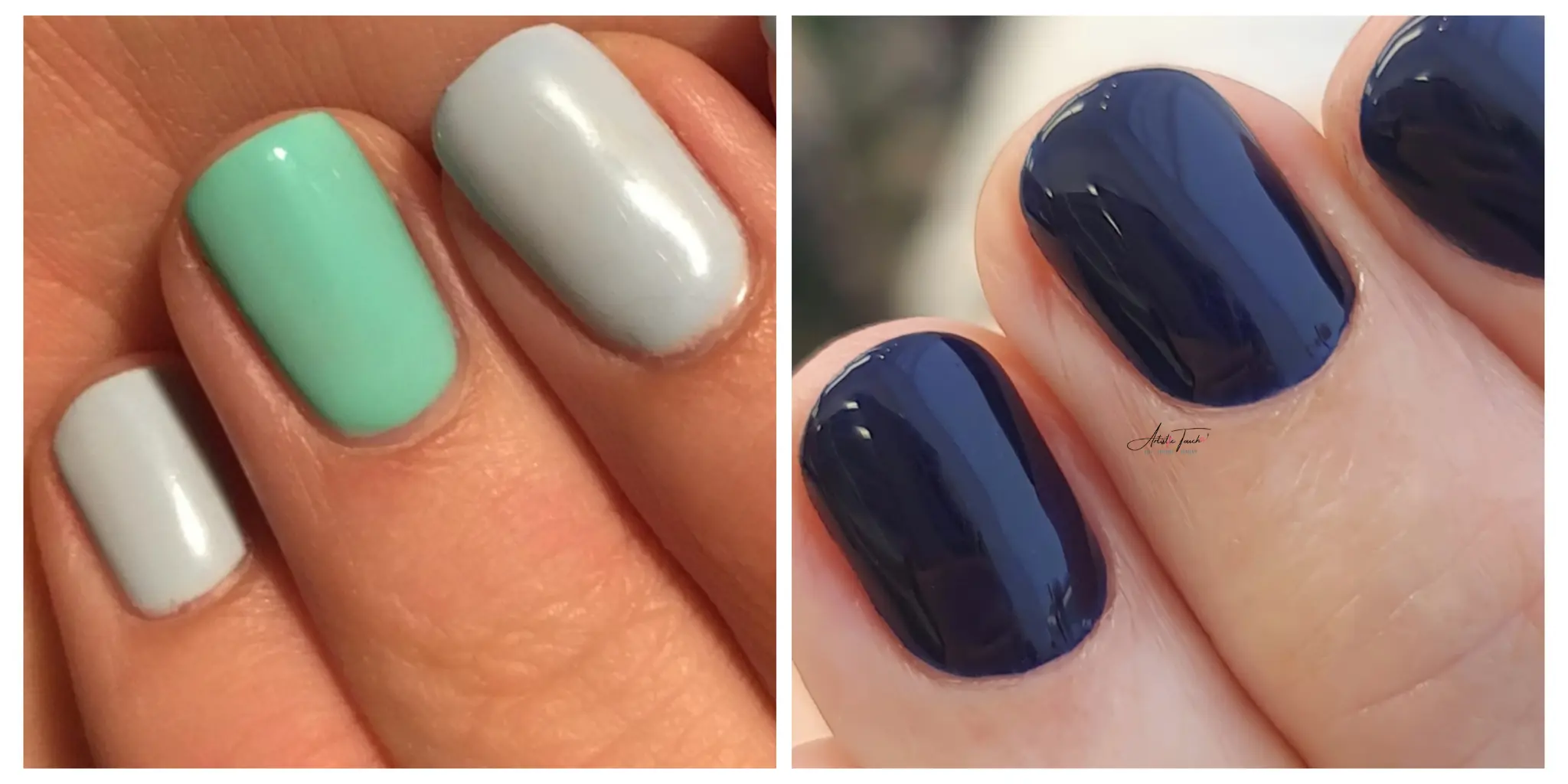
Quick Answer: Russian Manicure vs Traditional Wet Manicure
Russian Manicure is an aggressive dry e-file technique that removes all cuticle tissue without water soaking, designed for 4-6 week gel wear but requiring extensive training due to high injury risk. Traditional wet manicure soaks hands in warm water before gentle manual cuticle removal with nippers and pushers, providing 2-3 week gel retention with significantly lower safety concerns.
Key differences: Russian Manicure eliminates water entirely and uses e-file bits on dry tissue for maximum preparation depth. Traditional wet manicure uses water to soften cuticles before conservative manual removal. Russian requires 50-100 hours training whilst traditional needs 4-8 hours. Russian costs £45-£75 whilst traditional costs £25-£40.
Safety consideration: Russian Manicure carries significantly higher bleeding, infection, and permanent tissue damage risks due to aggressive dry e-file work on living skin. Traditional wet manicure has lower injury risk but potential water contamination concerns if bowls are not properly sanitised between clients.
The Evolution from Traditional to Russian Manicure
For decades, traditional wet manicure defined professional nail care. Clients relaxed whilst their hands soaked in warm water, cuticles were gently pushed back with wooden sticks, and dead tissue was carefully trimmed with nippers. This gentle, time-tested approach prioritised safety and comfort.
Russian Manicure emerged from Eastern Europe in the 2010s and exploded globally through social media platforms showcasing impossibly clean cuticle lines and gel manicures lasting six weeks without lifting. This revolutionary dry technique eliminates water entirely, instead using high-speed e-file bits to aggressively remove every trace of cuticle tissue whilst the nail remains completely dry.
The contrast could not be starker: traditional wet manicure takes 30-45 minutes with minimal discomfort and virtually no bleeding. Russian Manicure requires 90-120 minutes initially, causes moderate pain, and frequently produces minor bleeding even when performed correctly by experienced technicians.
Understanding which technique suits specific clients, business models, and professional capabilities requires examining the fundamental differences in methodology, safety protocols, training requirements, and realistic outcome expectations.
Understanding Each Technique
What Is Russian Manicure?
Russian Manicure is a specialist dry e-file preparation method characterised by:
- Zero water contact: Performed entirely dry for precision control and maximum gel adhesion
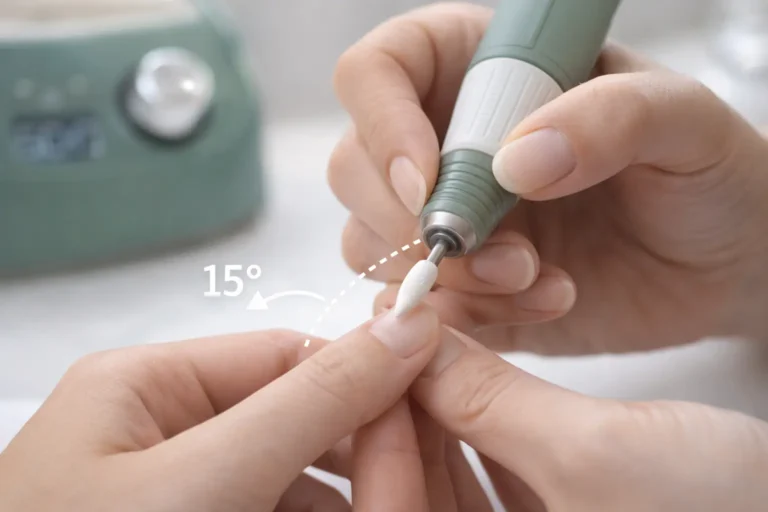
- E-file cuticle removal: Diamond, ceramic, or carbide bits remove 100% of dead cuticle tissue from nail plate
- Eponychium manipulation: Living skin at nail base is pushed back and sometimes partially thinned or removed
- Multi-stage process: Progressive refinement using different bit shapes, grits, and speeds
- Aggressive preparation: Removes significantly more tissue than traditional methods
- Gel-specific design: Optimised exclusively for gel polish or builder gel systems requiring extended wear
The technique aims to expose maximum fresh nail plate surface area and create perfectly clean margins with zero cuticle barrier between gel and natural nail. This extensive preparation enables 4-6 week wear time compared to 2-3 weeks with traditional methods.
What Is Traditional Wet Manicure?
Traditional wet manicure (also called spa manicure, classic manicure, or water manicure) involves:
- Warm water soak: Hands soaked 5-10 minutes in water with soap or cuticle softener to soften dead tissue
- Manual cuticle pushing: Wooden or metal pusher gently pushes softened cuticle back from nail plate
- Careful nipping: Cuticle nippers trim only loose, dead tissue without cutting living skin
- Conservative approach: Preserves natural protective tissue barriers
- Manual nail filing: Nails shaped and surface lightly buffed with hand files
- Optional enhancements: May include hand massage, exfoliation, or paraffin treatment
- Universal application: Suitable for regular polish, gel polish, or natural nail maintenance
Traditional wet manicure has been the beauty industry standard since the early 1900s. The technique prioritises client comfort, minimal tissue disruption, and accessibility to technicians at all skill levels. Risk of injury or infection is very low when proper sanitation protocols are followed.
Complete Technique Comparison
Russian Manicure Safety Considerations
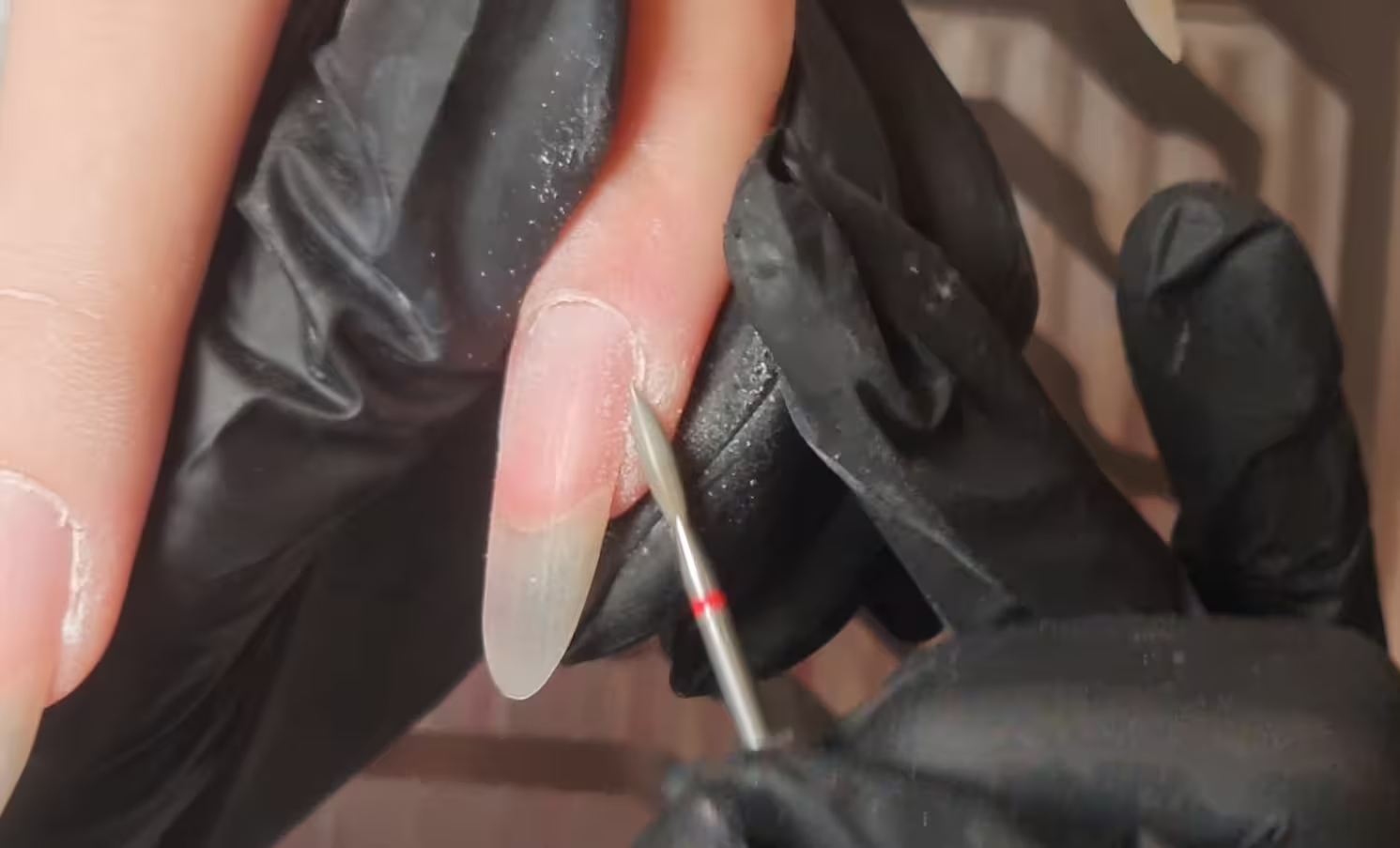
Significant Risks
Russian Manicure introduces substantial risks absent from traditional wet manicure:
- Eponychium damage: Removal or excessive thinning of living skin creates direct infection pathway and permanent scarring potential
- Nail matrix injury: Aggressive e-file work near proximal nail fold can damage growth cells causing permanent nail deformity
- Heat burns: High-speed e-file creates friction heat causing painful burns on nail plate and surrounding skin
- Nail plate thinning: Over-filing weakens natural nail structure increasing breakage and sensitivity
- Frequent bleeding: Even properly performed Russian Manicure causes minor bleeding in many clients
- Infection susceptibility: Compromised tissue barrier allows bacterial and fungal penetration
- Extended gel contact: 4-6 week wear time increases allergic sensitisation risk
- Chronic inflammation: Repeated aggressive tissue removal can cause permanent inflammation and dystrophy
⚠️ Critical Safety Warning
Russian Manicure is an advanced specialist technique requiring extensive supervised professional training. Self-teaching through online videos creates extreme risk of permanent client injury and professional liability exposure. Minimum 50-100 hours hands-on practice under qualified instructor supervision is essential before performing this invasive procedure on paying clients.
Client Contraindications
Russian Manicure must never be performed on clients with:
- Diabetes or peripheral vascular disease
- Blood-thinning medications (warfarin, aspirin, anticoagulants)
- Immunosuppression or autoimmune conditions
- Steroid use (topical or systemic)
- Chemotherapy or radiation therapy
- Thin, fragile, or elderly skin
- Active infections or inflammation
- Keloid scarring tendency
- Pregnancy (increased bleeding risk)
- Previous gel allergy or sensitisation
Traditional Wet Manicure Safety Considerations
Safety Advantages
Traditional wet manicure offers significantly lower risk profile:
- Minimal bleeding: Properly performed wet manicure rarely causes bleeding
- Tissue preservation: Conservative approach maintains natural protective barriers
- Comfortable procedure: Water soaking softens tissue preventing pain
- Low skill threshold: Basic training sufficient for safe performance
- Universal suitability: Appropriate for nearly all clients including those with contraindications for Russian technique
- Relaxing experience: Spa-like service promotes client wellbeing
Water Sanitation Concerns
The primary safety concern with traditional wet manicure involves water contamination:
- Bacterial growth: Warm water creates ideal environment for bacterial proliferation
- Cross-contamination: Inadequately cleaned bowls transfer infection between clients
- Fungal spores: Water exposure can spread fungal infections
Safe Water Sanitation Protocol
- Wash bowls with soap and water after each client
- Disinfect with hospital-grade disinfectant (10-minute contact time minimum)
- Dry completely before next use
- Never reuse water between clients
- Inspect bowls for cracks or damage that harbour bacteria
- Consider disposable basin liners for additional protection
When proper sanitation protocols are followed consistently, traditional wet manicure infection risk is extremely low—significantly lower than Russian Manicure’s inherent tissue barrier compromise.
Why Russian Manicure Extends Gel Wear Time
The dramatic difference in gel longevity between Russian and traditional wet manicure results from preparation depth:
Russian Manicure Gel Adhesion Advantages
- Maximum surface exposure: Complete cuticle removal exposes 100% of nail plate for gel bonding
- Zero cuticle barrier: No dead tissue remains between gel and nail to cause lifting
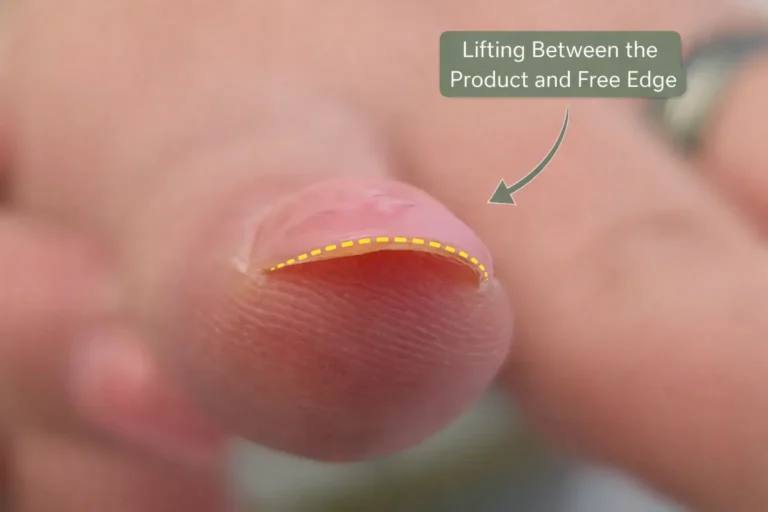
- Perfectly clean margins: Gel reaches precise cuticle line without gaps where lifting typically begins
- Dry preparation: No water absorption means nail plate is maximally dehydrated for optimal gel adhesion
- Precise surface buffing: E-file creates ideal mechanical adhesion texture
Traditional Wet Manicure Gel Limitations
- Water saturation: Soaked nails absorb moisture reducing gel adhesion capability
- Residual cuticle: Conservative removal leaves some dead tissue creating lifting points
- Less precise margins: Manual tools cannot achieve the same margin perfection as e-file
- Incomplete dehydration: Water-soaked nail plate requires extended drying before gel application
The longevity difference is real and significant: Russian Manicure typically provides 4-6 weeks whilst traditional wet manicure provides 2-3 weeks. However, this must be weighed against the substantially higher injury risk and extensive training requirement.
Professional Cost Analysis
Which Technique Should You Choose?
Choose Russian Manicure If:
- You can invest £2,000-£5,000 in comprehensive training and equipment
- You have 50-100+ hours available for supervised skill development
- Your clientele specifically requests extended gel wear time
- You can command premium pricing (£45-£75) in your market
- Your insurance provider covers invasive e-file procedures
- You are comfortable with moderate bleeding frequency
- You can implement comprehensive consultation and documentation protocols
Choose Traditional Wet Manicure If:
- You are building fundamental nail service skills
- Your budget limits extensive training investment
- Your clientele values comfort and relaxation over maximum longevity
- You serve diverse client types including those with health contraindications
- Risk minimisation is your priority
- You want to offer both regular polish and gel services
- You prefer gentler, more conservative approach
Progressive Development Path
Many successful nail technicians never progress to Russian Manicure. Traditional wet manicure provides excellent client satisfaction, strong income potential, and minimal professional liability whilst requiring fraction of the training investment.
If you do choose to pursue Russian Manicure eventually, first master traditional wet manicure thoroughly. This builds fundamental cuticle work skills, client consultation abilities, and professional judgment before advancing to high-risk invasive techniques.
Frequently Asked Questions
Is Russian Manicure safer than traditional wet manicure?
No, Russian Manicure carries significantly higher risk of bleeding, infection, tissue damage, and permanent nail injury compared to traditional wet manicure. Traditional wet manicure’s only safety concern is water contamination, which is easily managed through proper sanitation. Russian Manicure’s invasive tissue removal creates inherent risks even when performed correctly by experienced technicians.
Does traditional wet manicure ruin gel adhesion?
No, traditional wet manicure does not ruin gel adhesion though it does reduce maximum wear time compared to Russian technique. Proper dehydration protocol (allowing nails to dry completely after water soak, using dehydrator, and proper primer application) enables 2-3 week gel wear which satisfies most clients. Extended drying time of 30-60 minutes after water soak significantly improves gel adhesion.
Why does Russian Manicure hurt?
Russian Manicure causes discomfort because e-file work on dry tissue without water softening creates friction and pressure on sensitive eponychium (living skin). Additionally, the technique intentionally pushes back or removes living tissue which is naturally painful. Traditional wet manicure avoids this pain by softening tissue with water before gentle manual manipulation.
Can I do Russian Manicure at home on myself?
Russian Manicure should never be self-performed without professional training. The technique requires binocular vision, precise hand positioning, and years of supervised practice to perform safely. Self-taught Russian Manicure creates extreme risk of permanent matrix damage, chronic nail dystrophy, and severe infection. If you want extended gel wear at home, use traditional wet preparation with thorough dehydration protocol or visit a professionally trained technician.
Is water soaking unsanitary?
Water soaking is perfectly sanitary when proper protocols are followed. Bowls must be washed with soap, disinfected with hospital-grade disinfectant (10-minute contact time), and dried completely between clients. Never reuse water. When these steps are performed consistently, water contamination risk is negligible. Russian Manicure eliminates water concerns but introduces significantly higher tissue damage risks.
Will Russian Manicure damage my nails permanently?
Russian Manicure performed incorrectly or too aggressively can cause permanent nail damage including matrix injury resulting in lifelong nail dystrophy, chronic inflammation, scarring, and altered nail growth patterns. Even properly performed Russian Manicure causes temporary tissue compromise. Traditional wet manicure has virtually no permanent damage risk when performed by trained technicians.
How much should Russian Manicure cost compared to traditional?
Russian Manicure typically costs £45-£75 in the UK whilst traditional wet manicure costs £25-£40. The price difference reflects extensive training investment, longer service time (90-120 minutes vs 30-45 minutes), specialist equipment costs, and increased professional liability insurance premiums associated with invasive procedures.
Should I switch from traditional to Russian Manicure?
Only switch from traditional to Russian Manicure if you have completed comprehensive professional training (minimum 50-100 hours), carry appropriate insurance coverage, can invest in specialist equipment, and have client demand for extended gel wear justifying the significantly higher risk profile. Many highly successful nail technicians build thriving businesses exclusively offering traditional wet manicure without ever progressing to Russian technique.
About the Author: Radina Ignatova
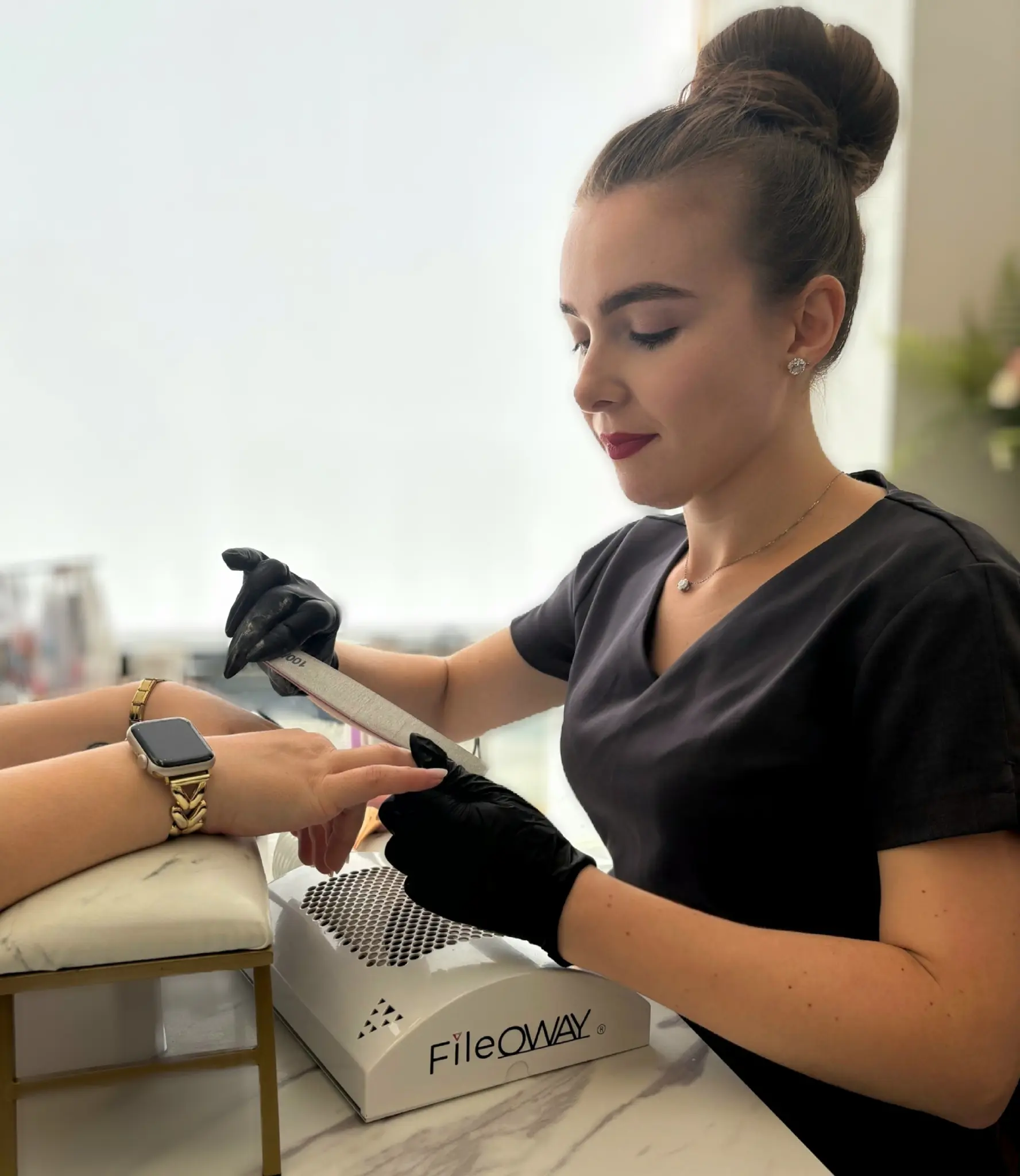
Radina Ignatova is a Professional Nail Expert, Certified Educator, and founder of Artistic Touch Nail Training Academy, based in Dundee, Scotland.
With over a decade of professional experience including traditional wet manicure, advanced e-file techniques, and comprehensive nail preparation methods, Radina specialises in teaching safe, ethical approaches to both classic and modern nail services.
Her training programmes emphasise client safety, realistic skill development timelines, proper consultation protocols, and professional liability protection rather than rushing students into high-risk techniques without adequate foundation.
Radina provides certification courses in traditional manicure, e-file fundamentals, and progressive skill development for nail technicians seeking to expand their service offerings responsibly.
Related Articles from The Nail Wiki
- Top 10 Causes of Gel Nail Lifting and Solutions
- BIAB vs Builder Gel vs Hard Gel Complete Comparison
- E-File Manicure Safety and Technique Guide
- Professional Nail Preparation Techniques
- Essential Nail Consultation and Documentation
Master Safe, Professional Manicure Techniques
Learn traditional and e-file manicure methods through comprehensive training that prioritises client safety, proper technique progression, and realistic skill development.
About The Nail Wiki: Independent educational resource providing evidence-based nail industry information. Content authored by verified nail professionals emphasising safety, ethics, and professional standards.