
Nail Trends 2026: A Considered Look at What's Emerging
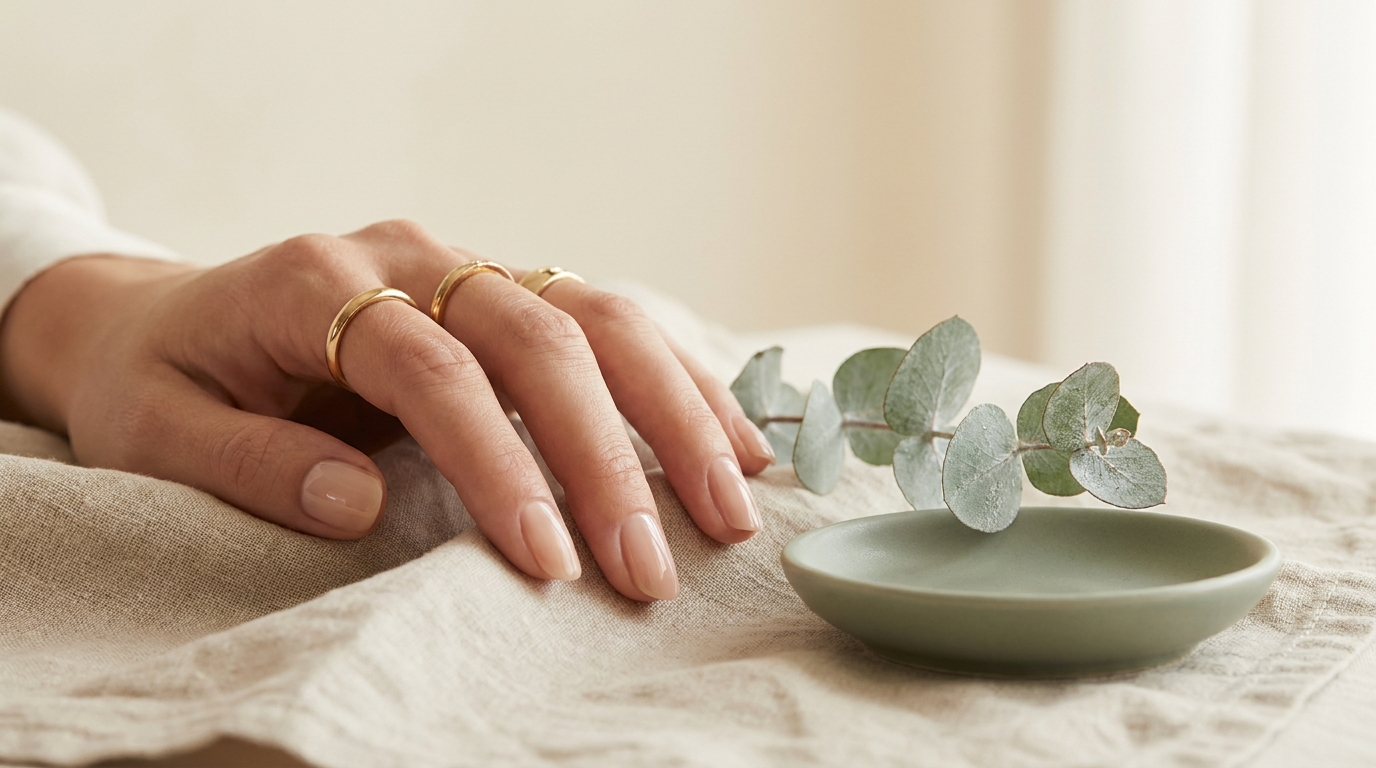
© TheNailWiki
Quick Summary
The clearest nail trends for 2026 point towards restraint rather than spectacle: structured natural manicures, a nail-health-first approach, and softer finishes, colours and shapes. Bold nail art has not disappeared, but the centre of gravity has moved towards manicures that look considered, wearable and well cared for.
The honest caveat: trends are directional, not universal. What gains traction in one region, season or client group can look very different in another. The value for professionals lies less in chasing each look and more in understanding the technique and demand behind it.
What Are the Nail Trends for 2026?
The nail trends for 2026 are best understood as a continuation of a quieter, more considered direction that has been building for several seasons. The prevailing mood favours manicures that look natural, structured and healthy over heavily decorated or extreme designs. Where recent years leaned into maximalist nail art, extended length and high-contrast colour, the emerging appetite is for finishes that read as effortless, even when the technical work behind them is anything but.
This is an observation drawn from salon practice and client demand rather than a prediction. In consultations, more clients are arriving with references that emphasise the condition of the nail itself — a clean, even surface, tidy sidewalls and a subtle finish — rather than a specific colour or pattern. That shift changes what a technician is actually being asked to deliver, and it rewards preparation and structure over decoration.
The sections below break down the directions gaining the most traction, and — importantly — why each one matters technically. Understanding the mechanics behind a trend is what allows a professional to adapt it to a real client, rather than simply reproducing an image.
Structured, Natural Manicures
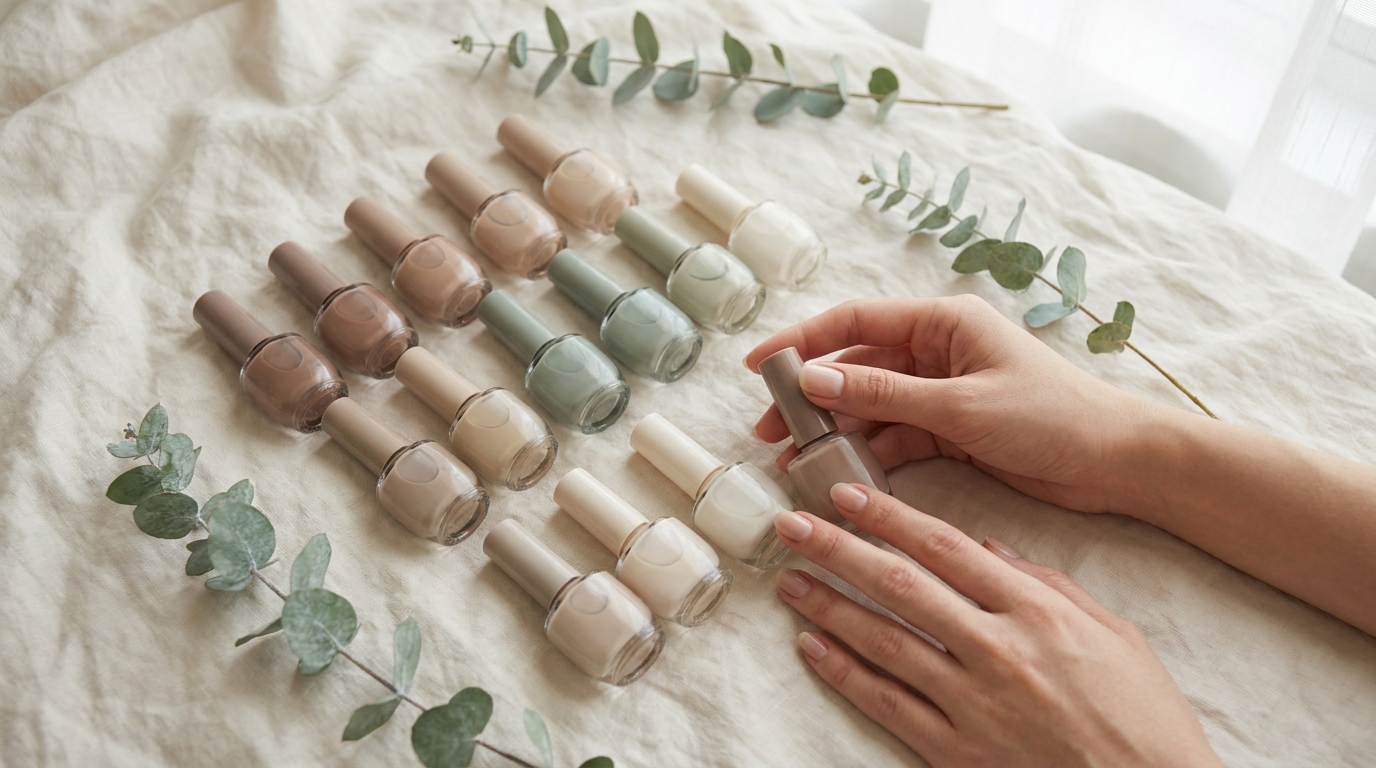
A structured natural manicure is a thin, supportive overlay applied over the client's own nail to add strength and shape without the length or bulk of a full extension. The intention is a nail that looks bare or barely enhanced, yet holds up to daily wear far better than polish alone.
This is arguably the most influential direction in 2026, and its appeal is practical as much as aesthetic. Builder gels and soft overlays allow a technician to place a subtle apex — the strongest point of the nail — precisely where the natural nail flexes and is most prone to breaking. The result supports the free edge and stress zone while keeping a natural silhouette.
Why it matters technically: a structured overlay is only as good as its application. Product floated on flat, without a considered apex, offers little reinforcement and can encourage lifting or breakage. Correct product control, curing discipline and structure are what separate a durable natural manicure from one that simply looks the part on day one. The techniques behind these looks — apex placement, ratio of product, curing and safe removal — are covered in depth across the nail wiki library for those who want the mechanics rather than the marketing.
A Nail-Health-First Approach
Nail-health-first describes an approach where the condition of the natural nail and surrounding skin is treated as the priority, and decoration is built on top of that foundation rather than at its expense. It reflects a wider client awareness that damage is not an acceptable cost of a good manicure.
In practice, this direction shows up as growing demand for gentle preparation, minimal over-filing, controlled product application and, above all, safe removal. Many clients now ask directly how a service will be taken off before they agree to have it put on — a question that would have been unusual a few years ago. That instinct is well placed, because the majority of visible natural-nail damage originates from aggressive removal and over-buffing rather than the product itself.
Why it matters technically: a nail-health-first mindset does not mean doing less; it means doing the right amount. Reading the natural nail, respecting the cuticle and eponychium as living tissue, using the correct grit for each task, and soaking or e-filing off with control rather than force all protect the nail plate. For a professional, this is also commercially sound — clients whose nails stay healthy return, and their nails continue to hold enhancements well over time.
Finishes and Colour Gaining Traction
If 2026 has a signature, it is in the finish rather than the colour. The looks gaining ground share a common quality: they draw attention to the surface and clarity of the nail, which places real demand on preparation and application.
Glazed and glossy sheer finishes
Sheer, luminous washes of colour under a high-shine top coat continue to resonate — the clean, glass-like quality associated with soap nails and glazed effects. Technically, these finishes are unforgiving: because so little pigment is present, every ridge, patch of uneven product and flaw in the top coat is visible. Thin, even layering and a properly sealed finish are what make the difference between luminous and streaky.
Soft, muted colour
Warm neutrals, muted earth tones, soft browns and quiet, dusty pastels feature strongly in current references, alongside restrained use of deeper shades for contrast. Lower-pigment and sheer formulas behave differently from dense creams — they reveal the surface beneath them — so surface smoothing and consistent application matter more, not less, when the colour is subtle.
Considered detail over full coverage
Where decoration appears, it tends to be placed rather than layered on: a fine line, a single accent, a subtle chrome or a delicate french variation. This is design used as punctuation rather than a full statement, and it suits the broader move towards manicures that read as tidy and intentional.
Shapes and Length
The shapes gaining traction in 2026 are softer and more wearable — soft almond, tapered square and rounded profiles — often at shorter, everyday lengths. Extreme length and very sharp shapes have not vanished, but they read increasingly as a specific creative choice rather than a default.
Why it matters technically: length and shape are not purely aesthetic decisions. Shorter lengths distribute the forces of daily use across a smaller lever, which reduces stress on the free edge and the natural nail beneath. For clients focused on rebuilding nail health, a shorter, well-structured shape is often both the more flattering and the more durable option — one of those cases where the on-trend choice and the technically sound choice happen to align.
Symmetry remains the quiet marker of quality. On a minimal, natural manicure there is nowhere for uneven sidewalls or inconsistent shaping to hide, so shape consistency across all ten nails does as much for the finished look as any colour or finish choice.
Trends at a Glance
The table below summarises the directions above with a short definition and the technical reason each one matters — a quick reference for professionals translating a trend into a real service.
Why Trends Vary by Client and Region
It would be misleading to present any of this as a single, universal look. Nail trends move differently across regions, client demographics, seasons and even individual salons. A city clientele may lean towards minimal, structured natural nails, while a competition or occasion-led market sustains strong demand for length, art and drama at the same moment. Both are legitimate; neither is more current than the other.
Practical factors shape what a client actually chooses: their occupation and how much daily wear their hands take, their natural nail condition, how often they can realistically return for maintenance, and their budget. A structured natural manicure suits someone rebuilding damaged nails; a longer, reinforced enhancement may suit someone who wants a bold shape to last. The most useful thing a professional can do with a trend is treat it as a starting point for a proper consultation, not a template to apply to everyone.
This is also why chasing every emerging look is rarely worthwhile. Trends come and go, but the underlying skills — reading the natural nail, building sound structure, controlling product, finishing cleanly and removing safely — carry across all of them. Invest in the technique and you can deliver whatever direction your particular clients are asking for, this year and next.
Key Takeaways
- Restraint over spectacle. The strongest 2026 directions favour natural, structured, well-cared-for nails rather than extreme length or heavy decoration.
- Structure is the story. Thin supportive overlays with a considered apex deliver the effortless look clients want while genuinely protecting the nail.
- Health-led service is now expected. Gentle preparation and, especially, safe removal matter as much to clients as the finish itself.
- Subtle finishes are technically demanding. Sheer, glazed and muted looks magnify every flaw, so preparation and application precision matter more, not less.
- Trends are directional, not universal. Read the client and region, and rely on sound technique that carries across whatever look is in demand.
Related Articles
Frequently Asked Questions
What are the biggest nail trends for 2026?
The most prominent directions are structured natural manicures, a nail-health-first approach to preparation and removal, and softer finishes, colours and shapes — glazed sheers, muted neutrals, soft almond and tapered square shapes at wearable lengths. These reflect current client demand as observed in salon practice, rather than a single prescribed look.
Are long extensions and bold nail art still popular in 2026?
Yes. Length and expressive nail art remain in strong demand, particularly in occasion-led and competition-focused markets. The shift is one of emphasis rather than replacement: the natural, structured look has moved towards the centre, but bold designs continue to sit alongside it as a deliberate creative choice.
What does a "structured manicure" actually mean?
It refers to a thin, supportive overlay — often a builder gel — applied over the natural nail to reinforce it and place an apex at the stress area, without adding significant length. The aim is a natural-looking nail that is stronger and more durable than polish alone, which is why it underpins so much of the 2026 direction.
Is chrome or mirror finish still a trend?
Chrome and mirror effects remain popular, but the current tendency is to use them with more restraint — as a subtle accent or a soft, diffused sheen rather than a full high-impact statement across every nail. This mirrors the wider move towards considered detail over full coverage.
Do nail trends apply to every client?
No. Trends are directional and vary by region, season, demographic and individual circumstances. Occupation, natural nail condition, maintenance schedule and budget all shape what is genuinely suitable. A trend is most useful as a starting point for consultation, not a template to apply to everyone.
How can nail professionals keep up without chasing every fad?
By investing in fundamentals rather than individual looks. Reading the natural nail, building sound structure, controlling product, finishing cleanly and removing safely are the skills that let you deliver any current direction. Strong technique ages far better than any single seasonal trend.
Professional Disclaimer
This article offers editorial commentary on emerging nail directions based on professional observation and current client demand. It reflects informed opinion rather than forecasting, and does not constitute professional training, certification, or medical advice. Nail technicians should complete comprehensive training and follow current safety protocols and contraindication assessment before performing any service. When in doubt about a nail or skin condition, refer clients to a qualified medical professional.
Note: This article reflects professional editorial observation of emerging nail directions and current client demand. It does not forecast outcomes or make brand claims. TheNailWiki is an independent educational resource and maintains editorial independence from all commercial interests.