The Nail Wiki Library
The World's Largest Nail Knowledge Resource
A structured library of professional nail education covering anatomy, science, nail systems, product performance, troubleshooting, techniques, and salon safety.

Professional Nail Education
A structured library covering nail anatomy, science, product chemistry, techniques, troubleshooting, nail systems, and salon safety.
Understanding Beyond Technique
Designed to help nail technicians, students, educators, and clients understand not only what to do, but why it works.
Continuously Growing
The Nail Wiki is regularly reviewed, expanded, and updated as new techniques, products, research, and professional standards evolve.
Accessible Knowledge
Created to make professional nail education accessible, support informed decisions, and improve understanding of nail services, safety, and product use.
Browse the Library
Sixteen structured knowledge categories covering every area of professional nail practice.
Nail Anatomy & Structure
Nail anatomy explained.
14 pages
Nail Anatomy & Structure
Nail Science & Mechanics
How nails work.
16 pages
Nail Science & Mechanics
Nail Conditions & Concerns
Common nail conditions.
5 pages
Nail Conditions & Concerns
Nail Health & Client Concerns
Nail health guidance.
Coming soonNail Types & Plate Characteristics
Different nail types.
Coming soonProduct Performance & Troubleshooting
Solve product problems.
Coming soon
Nail Enhancement Systems
Professional enhancement systems.
3 pages
Nail Enhancement Systems
Nail Coatings & Finishes
Coatings and finishes.
2 pages
Nail Coatings & Finishes
Nail Art & Decoratives
Decorative nail techniques.
Coming soon
Nail Prep & Application Tools
Prep products and tools.
6 pages
Nail Prep & Application Tools
Salon Equipment & Setup
Essential salon equipment.
4 pages
Salon Equipment & Setup
Nail Care & Aftercare
Healthy nail care.
Coming soon
Ingredients & Safety
Ingredients and safety.
1 page
Ingredients & Safety
Techniques & Application Terms
Professional techniques.
2 pages
Techniques & Application Terms
Styles & Nail Shapes
Nail shapes and styles.
Coming soon
Salon Etiquette & Client Terms
Professional salon guidance.
3 pages
Salon Etiquette & Client Terms
Frequently Asked Questions
What is The Nail Wiki Library?
The Nail Wiki Library is a structured nail knowledge resource covering professional nail topics such as anatomy, science, product systems, safety, troubleshooting, and application methods.
Is The Nail Wiki free to use?
Yes. The Nail Wiki Library is free to access and is designed to make professional nail education more accessible for nail technicians, students, and anyone interested in understanding nail services and safety.
Who is The Nail Wiki for?
The Nail Wiki is designed for:
- Professional nail technicians
- Nail students
- Salon owners
- Beauty educators
- Clients who want reliable information about nail services and products
Who writes The Nail Wiki?
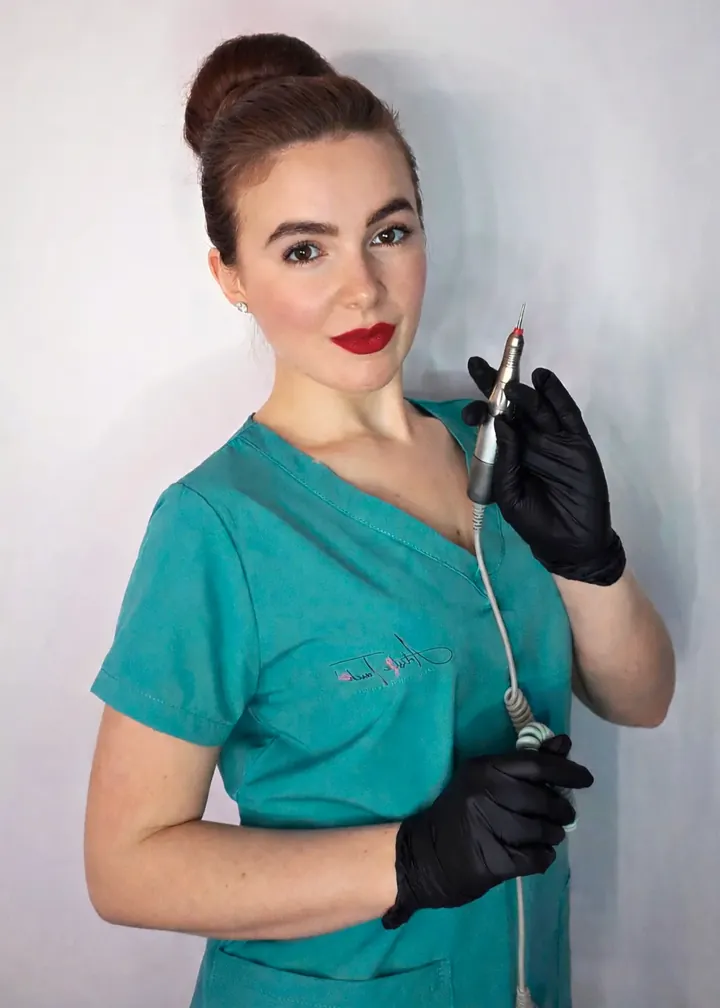
The Nail Wiki is written and reviewed by Radina Ignatova, Professional Nail Expert, International Nail Educator, and founder of The Nail Wiki and Artistic Touch – Nail Training Academy.
How often is The Nail Wiki updated?
The Nail Wiki is continuously expanded and reviewed as new topics, research, products, techniques, and professional standards develop.
Is The Nail Wiki independent?
Yes. The Nail Wiki aims to provide educational, evidence-informed information. Content is written to educate rather than promote specific brands or products.
Can I trust the information on The Nail Wiki?
Every article is carefully researched, reviewed, and written with a strong focus on accuracy, professional practice, and practical understanding. Where appropriate, content is updated to reflect current industry knowledge.
Can I suggest a topic for The Nail Wiki?
Yes. If there is a topic you would like to see covered, you can contact us with your suggestion. We are continually expanding the library based on industry needs and common questions.
Does The Nail Wiki replace professional training?
No. The Nail Wiki is designed to support learning and improve understanding, but it does not replace structured professional education or practical training.